Diabetic Foot Care in Hanover, PA
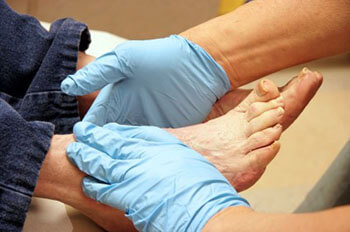
Diabetes can unfortunately cause many foot problems that often lead to a great deal of pain and discomfort. For example, poor circulation of the feet is often an issue among those with diabetes because it damages the nerves. When this occurs, it’s likely for one to develop peripheral neuropathy. Peripheral neuropathy can make it feel like you have pins and needles in your feet. Others who have experienced this condition have also recalled a burning, tingling, or numbing sensation.
Diabetic Foot Prevention
Since nerves are often damaged due to diabetes, the issue of not feeling when a wound has developed can lead to serious complications. Minor cuts or scrapes on the foot may run the risk of getting infected if the feet are not checked daily for wounds. Diabetes may also reduce blood flow to the feet, which in turn can make it harder for wounds to heal. With that being said, it’s important you seek professional help for treating any foot ailments. To prevent yourself from running the risk of developing a serious foot condition, it’s recommended that you wash and dry your feet daily, cut your toenails carefully, keep your feet moisturized, check them regularly for any abnormalities, and keep your feet warm and dry.
There should be a focus on cleaning between the toes. Even if no pain is felt, the entire foot should be examined for redness and sores. Neuropathy can often mask the pain of sores and ulcers, and cause these conditions to be overlooked. Use a mirror to examine the underside of your feet if needed. It is recommended that diabetics wear will-fitting socks.
Diabetic Foot Treatment
Patients with diabetes should have their doctor monitor their blood levels because blood sugar levels play a huge role in diabetic care. Monitoring these levels on a regular basis is highly advised. It is very important to keep your blood sugar levels in the normal range, which can be determined by your physician. There are medications that a physician may prescribe to help with neuropathy of the diabetic patient. It is also advisable to visit a podiatrist if the diabetic patient is experiencing any conditions involving the feet such as ingrown toenails, which in more severe cases can cause infection.
For more advice on how to care for diabetic feet, we suggest you consult with a podiatrist for professional care and a recommended treatment plan for any existing conditions.
Diabetic Shoes

Unlike regular shoes, diabetic footwear can offer individuals with diabetes a specifically designed alternative that addresses their needs. Diabetic shoes are created to help patients deal with conditions that commonly affect those with diabetes. These conditions may include poor circulation, foot ulcers, and diabetic neuropathy.
Common features of diabetic shoes normally include a protective interior, a deep toe box, and lightweight, cushioning soles. Having a protective interior can help to prevent excess friction and avoid irritation. A deep toe box can be beneficial for diabetic patients as it helps to decrease the amount of pressure put on the toes, as well as giving them room for movement. Cushioning soles are a great feature as well, as they offer you better flexibility and mobility than the average shoe.
If you are struggling with foot complications due to diabetes, please consult with a podiatrist to see if diabetic shoes are right for you!
Diabetic Shoe Program: You may qualify for one pair of depth diabetic shoes and three pair of custom diabetic insoles per calendar year--thru Medicare, and some private pay insurance plans. YES, we are in the diabetic shoe program and offer a variety of approved diabetic shoes.
 Like Us
 Follow Us
 Review Us