Items filtered by date: October 2025
What Is Morton’s Neuroma?
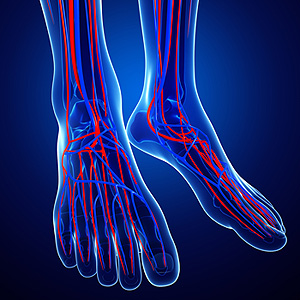 Morton’s Neuroma—otherwise known as Morton’s metatarsalgia, Morton’s disease and Morton’s neuralgia, is a swollen, non-cancerous growth of nerve tissue that usually clusters between the third and fourth toes. This can cause a good deal of pain, particularly in the ball of the foot. Other symptoms include a burning, tingling, or numbness in the toes, pain while curling the toes, and the sensation of having a pebble in the bottom of your shoe by the ball of the foot. Possible causes of this ailment may consist of wearing high heels regularly and participating in certain sporting activities for extended periods of time. If you are experiencing this kind of pain in the ball of your foot, a podiatrist can examine you and run a series of tests to determine your nerve response and foot function. Treatment methods range from orthotics to injection therapies, and in severe cases surgery may be necessary. It is suggested that you visit a podiatrist as soon as possible if you experience any of the symptoms mentioned.
Morton’s neuroma is a very uncomfortable condition to live with. If you think you have Morton’s neuroma, contact Jim Maxka, DPM of South Penn Foot & Ankle Associates. Our doctor will attend to all of your foot care needs and answer any of your related questions.
Morton’s Neuroma
Morton's neuroma is a painful foot condition that commonly affects the areas between the second and third or third and fourth toe, although other areas of the foot are also susceptible. Morton’s neuroma is caused by an inflamed nerve in the foot that is being squeezed and aggravated by surrounding bones.
What Increases the Chances of Having Morton’s Neuroma?
- Ill-fitting high heels or shoes that add pressure to the toe or foot
- Jogging, running or any sport that involves constant impact to the foot
- Flat feet, bunions, and any other foot deformities
Morton’s neuroma is a very treatable condition. Orthotics and shoe inserts can often be used to alleviate the pain on the forefront of the feet. In more severe cases, corticosteroids can also be prescribed. In order to figure out the best treatment for your neuroma, it’s recommended to seek the care of a podiatrist who can diagnose your condition and provide different treatment options.
If you have any questions, please feel free to contact our office located in Hanover, PA . We offer the newest diagnostic and treatment technologies for all your foot care needs.
How to Tell if a Toe Is Broken

A broken toe can happen from something as simple as stubbing it on furniture or dropping a heavy object on the foot. Symptoms often include sharp pain, swelling, bruising, and difficulty walking. The toe may appear crooked or out of alignment, and it may feel tender or numb. In some cases, there may be a popping sound at the time of injury. While some fractures are obvious, others can be mistaken for a sprain. A podiatrist can provide an accurate diagnosis through a physical examination and imaging, such as an X-ray. Treatments vary depending on the severity of the break and may include splinting, buddy taping, protective footwear, or in some cases, surgery. Prompt care can help prevent complications, such as improper healing or long-term pain. It is suggested that you make an appointment with a podiatrist if you suspect a toe may be broken to ensure proper treatment and recovery.
Broken toes may cause a lot of pain and should be treated as soon as possible. If you have any concerns about your feet, contact Jim Maxka, DPM from South Penn Foot & Ankle Associates. Our doctor will treat your foot and ankle needs.
What Is a Broken Toe?
A broken toe occurs when one or more of the toe bones of the foot are broken after an injury. Injuries such as stubbing your toe or dropping a heavy object on it may cause a toe fracture.
Symptoms of a Broken Toe
- Swelling
- Pain (with/without wearing shoes)
- Stiffness
- Nail Injury
Although the injured toe should be monitored daily, it is especially important to have a podiatrist look at your toe if you have severe symptoms. Some of these symptoms include worsening or new pain that is not relieved with medication, sores, redness, or open wounds near the toe.
If you have any questions please feel free to contact our office located in Hanover, PA . We offer the newest diagnostic tools and technology to treat your foot and ankle needs.
Foot Cramps and Their Causes

Foot cramps are sudden, involuntary muscle contractions that cause sharp pain and stiffness in the foot. They may occur during activity or even while resting. Common causes include dehydration, electrolyte imbalance, poor circulation, or overuse of muscles. Risk factors include intense exercise without proper stretching, wearing footwear lacking adequate support, and medical conditions that affect nerves or blood flow. These cramps can interfere with daily activities and athletic performance, if not addressed. A podiatrist can identify underlying causes, recommend stretching and strengthening exercises, and provide guidance on footwear or orthotics to reduce recurrence. Foot cramps can disrupt daily activities as well as sleep. If this applies to you, it is suggested that you schedule an appointment with a podiatrist who can diagnose the cause, and offer effective relief and treatment solutions.
Foot Pain
Foot pain can be extremely painful and debilitating. If you have a foot pain, consult with Jim Maxka, DPM from South Penn Foot & Ankle Associates. Our doctor will assess your condition and provide you with quality foot and ankle treatment.
Causes
Foot pain is a very broad condition that could be caused by one or more ailments. The most common include:
- Bunions
- Hammertoes
- Plantar Fasciitis
- Bone Spurs
- Corns
- Tarsal Tunnel Syndrome
- Ingrown Toenails
- Arthritis (such as Gout, Rheumatoid, and Osteoarthritis)
- Flat Feet
- Injury (from stress fractures, broken toe, foot, ankle, Achilles tendon ruptures, and sprains)
- And more
Diagnosis
To figure out the cause of foot pain, podiatrists utilize several different methods. This can range from simple visual inspections and sensation tests to X-rays and MRI scans. Prior medical history, family medical history, and any recent physical traumatic events will all be taken into consideration for a proper diagnosis.
Treatment
Treatment depends upon the cause of the foot pain. Whether it is resting, staying off the foot, or having surgery; podiatrists have a number of treatment options available for foot pain.
If you have any questions, please feel free to contact our office located in Hanover, PA . We offer the newest diagnostic and treatment technologies for all your foot care needs.
Common Reasons Older Adults Fall

Falls are a leading health concern for older adults, and many causes can be traced to the feet and ankles. Painful conditions such as bunions, hammertoes, or arthritis may affect balance and stability, while neuropathy can reduce sensation, making it harder to feel the ground when walking. Age-related changes, including weaker foot and ankle muscles, can also contribute to instability and increase the risk of falling. Poor circulation or swelling in the feet may alter gait and cause frequent stumbling. Wearing shoes that lack adequate support, high heels, or backless styles like flip-flops can reduce stability and increase the likelihood of a slip or fall. A podiatrist can evaluate the feet for underlying issues, provide supportive devices such as orthotics, recommend proper footwear, and, when necessary, perform surgery to correct deformities that interfere with safe walking. If you are at risk for falling or have recently fallen several times, it is suggested that you schedule an appointment with a podiatrist for an exam, diagnosis, and appropriate treatment.
Preventing falls among the elderly is very important. If you are older and have fallen or fear that you are prone to falling, consult with Jim Maxka, DPM from South Penn Foot & Ankle Associates. Our doctor will assess your condition and provide you with quality advice and care.
Every 11 seconds, an elderly American is being treated in an emergency room for a fall related injury. Falls are the leading cause of head and hip injuries for those 65 and older. Due to decreases in strength, balance, senses, and lack of awareness, elderly persons are very susceptible to falling. Thankfully, there are a number of things older persons can do to prevent falls.
How to Prevent Falls
Some effective methods that older persons can do to prevent falls include:
- Enrolling in strength and balance exercise program to increase balance and strength
- Periodically having your sight and hearing checked
- Discuss any medications you have with a doctor to see if it increases the risk of falling
- Clearing the house of falling hazards and installing devices like grab bars and railings
- Utilizing a walker or cane
- Wearing shoes that provide good support and cushioning
- Talking to family members about falling and increasing awareness
Falling can be a traumatic and embarrassing experience for elderly persons; this can make them less willing to leave the house, and less willing to talk to someone about their fears of falling. Doing such things, however, will increase the likelihood of tripping or losing one’s balance. Knowing the causes of falling and how to prevent them is the best way to mitigate the risk of serious injury.
If you have any questions, please feel free to contact our office located in Hanover, PA . We offer the newest diagnostic and treatment technologies for all your foot care needs.
Reminder: When Was the Last Time...?

Custom orthotics, or shoe inserts, should be periodically replaced. Orthotics must fit properly to give you the best results. Protect your feet and ankles!
 Like Us
 Follow Us
 Review Us