Items filtered by date: December 2025
What Is Tarsal Tunnel Syndrome?
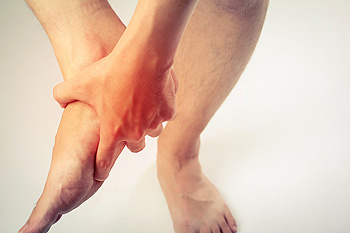
There is a nerve in the foot that is known as the posterior tibial nerve. This is responsible for movement and feeling to different areas of the foot, and is located inside the tarsal tunnel on the inside of the ankle. The condition that is known as tarsal tunnel syndrome can occur if this nerve gets compressed, and it may cause a lack of sensation in the foot. There are common reasons why this condition can develop. These can include a sprained ankle, high arches, or flat feet. Additionally, it may occur as a result of specific medical conditions such as diabetes or a thyroid disorder. Many patients can experience weakened foot muscles, and pain on the bottom of the foot. It may be beneficial to perform certain stretches which help in strengthening the overall foot. If you are experiencing any symptoms of tarsal tunnel syndrome, it is strongly suggested that you seek the counsel of a podiatrist who can properly treat this condition.
Tarsal tunnel syndrome can be very uncomfortable to live with. If you are experiencing tarsal tunnel syndrome, contact Jim Maxka, DPM of South Penn Foot & Ankle Associates. Our doctor can provide the care you need to keep you pain-free and on your feet.
Tarsal Tunnel Syndrome
Tarsal tunnel syndrome, which can also be called tibial nerve dysfunction, is an uncommon condition of misfiring peripheral nerves in the foot. The tibial nerve is the peripheral nerve in the leg responsible for sensation and movement of the foot and calf muscles. In tarsal tunnel syndrome, the tibial nerve is damaged, causing problems with movement and feeling in the foot of the affected leg.
Common Cause of Tarsal Tunnel Syndrome
- Involves pressure or an injury, direct pressure on the tibial nerve for an extended period of time, sometimes caused by other body structures close by or near the knee.
- Diseases that damage nerves, including diabetes, may cause tarsal tunnel syndrome.
- At times, tarsal tunnel syndrome can appear without an obvious cause in some cases.
The Effects of Tarsal Tunnel Syndrome
- Different sensations, an afflicted person may experience pain, tingling, burning or other unusual sensations in the foot of the affected leg.
- The foot muscles, toes and ankle become weaker, and curling your toes or flexing your foot can become difficult.
- If condition worsens, infections and ulcers may develop on the foot that is experiencing the syndrome.
A physical exam of the leg can help identify the presence of tarsal tunnel syndrome. Medical tests, such as a nerve biopsy, are also used to diagnose the condition. Patients may receive physical therapy and prescriptive medication. In extreme cases, some may require surgery.
If you have any questions please contact our office located in Hanover, PA . We offer the newest diagnostic and treatment technologies for all your foot and ankle needs.
Causes of Pain in the Ball of the Foot

Pain in the ball of the foot occurs when too much pressure is placed on metatarsal heads, the long bones just behind the toes. This condition, termed metatarsalgia, can occur from running, jumping, or standing for long periods. Shoes that are too tight, narrow, or have high heels can push weight forward and strain the front of the foot. Foot shapes like high arches or flat feet can also cause uneven pressure. Bunions, hammertoes, or nerve irritation can add to the pain. Sometimes, small stress fractures or joint inflammation are the cause. The pain can feel sharp, burning, or like walking on a pebble. A podiatrist can check the structure of the foot, look at how you walk, and use imaging to determine the cause. Proper footwear, orthotics, or surgery may be suggested to relieve pressure. If you experience pain in the ball of the foot, it is suggested that you make an appointment with a podiatrist for a diagnosis and treatment.
Foot Pain
Foot pain can be extremely painful and debilitating. If you have a foot pain, consult with Jim Maxka, DPM from South Penn Foot & Ankle Associates. Our doctor will assess your condition and provide you with quality foot and ankle treatment.
Causes
Foot pain is a very broad condition that could be caused by one or more ailments. The most common include:
- Bunions
- Hammertoes
- Plantar Fasciitis
- Bone Spurs
- Corns
- Tarsal Tunnel Syndrome
- Ingrown Toenails
- Arthritis (such as Gout, Rheumatoid, and Osteoarthritis)
- Flat Feet
- Injury (from stress fractures, broken toe, foot, ankle, Achilles tendon ruptures, and sprains)
- And more
Diagnosis
To figure out the cause of foot pain, podiatrists utilize several different methods. This can range from simple visual inspections and sensation tests to X-rays and MRI scans. Prior medical history, family medical history, and any recent physical traumatic events will all be taken into consideration for a proper diagnosis.
Treatment
Treatment depends upon the cause of the foot pain. Whether it is resting, staying off the foot, or having surgery; podiatrists have a number of treatment options available for foot pain.
If you have any questions, please feel free to contact our office located in Hanover, PA . We offer the newest diagnostic and treatment technologies for all your foot care needs.
Why Swollen Feet Can Happen During Pregnancy

Swollen feet, also known as edema, are a common occurrence during pregnancy caused by increased blood volume, hormonal changes, and pressure from the growing uterus on blood vessels. This swelling often affects the ankles and feet, leading to discomfort, stiffness, and difficulty moving. Factors such as long periods of sitting or standing, high salt intake, and warm weather can worsen the condition. Relief can be found by staying hydrated, elevating the feet when possible, wearing supportive footwear, and avoiding prolonged sitting. A podiatrist can evaluate your foot health, provide guidance on proper shoes, suggest safe exercises, and recommend strategies to manage swelling while protecting joints and circulation. If your feet or ankles have become swollen during your pregnancy, it is suggested that you consult a podiatrist who can offer you additional relief and prevention strategies.
Pregnant women with swollen feet can be treated with a variety of different methods that are readily available. For more information about other cures for swollen feet during pregnancy, consult with Jim Maxka, DPM from South Penn Foot & Ankle Associates. Our doctor will attend to all of your foot and ankle needs.
What Foot Problems Can Arise During Pregnancy?
One problem that can occur is overpronation, which occurs when the arch of the foot flattens and tends to roll inward. This can cause pain and discomfort in your heels while you’re walking or even just standing up, trying to support your baby.
Another problem is edema, or swelling in the extremities. This often affects the feet during pregnancy but tends to occur in the later stages.
How Can I Keep My Feet Healthy During Pregnancy?
- Wearing orthotics can provide extra support for the feet and help distribute weight evenly
- Minimize the amount of time spent walking barefoot
- Wear shoes with good arch support
- Wear shoes that allow for good circulation to the feet
- Elevate feet if you experience swelling
- Massage your feet
- Get regular, light exercise, such as walking, to promote blood circulation to the feet
If you have any questions, please feel free to contact our office located in Hanover, PA . We offer the newest diagnostic and treatment technologies for all your foot care needs.
Ankle Sprain Facts

An ankle sprain occurs when the ligaments that support the ankle stretch or tear, often caused by a sudden twist, fall, or misstep. Symptoms include pain, swelling, bruising, and difficulty bearing weight. Common causes involve sports injuries, uneven surfaces, or unstable footwear. Early treatment is vital to prevent long-term weakness or instability. A podiatrist can evaluate the severity of an ankle sprain through an examination and imaging tests, provide proper bracing, and guide the safe return to activity. Timely care ensures full recovery and helps prevent future sprains. If you have sprained your ankle, it is suggested that you promptly consult a podiatrist who can offer treatment solutions that are right for you.
Ankle sprains are common but need immediate attention. If you need your feet checked, contact Jim Maxka, DPM from South Penn Foot & Ankle Associates. Our doctor can provide the care you need to keep you pain-free and on your feet.
How Does an Ankle Sprain Occur?
Ankle sprains take place when the ligaments in your ankle are torn or stretched beyond their limits. There are multiple ways that the ankle can become injured, including twisting or rolling over onto your ankle, putting undue stress on it, or causing trauma to the ankle itself.
What Are the Symptoms?
- Mild to moderate bruising
- Limited mobility
- Swelling
- Discoloration of the skin (depending on severity)
Preventing a Sprain
- Wearing appropriate shoes for the occasion
- Stretching before exercises and sports
- Knowing your limits
Treatment of a Sprain
Treatment of a sprain depends on the severity. Many times, people are told to rest and remain off their feet completely, while others are given an air cast. If the sprain is very severe, surgery may be required.
If you have suffered an ankle sprain previously, you may want to consider additional support such as a brace and regular exercises to strengthen the ankle.
If you have any questions please feel free to contact our office located in Hanover, PA . We offer the newest diagnostic tools and technology to treat your foot and ankle needs.
It's Time for Beautiful Feet

You don't need an excuse to have beautiful nails. Step outside without worrying about the appearance of your feet.
Stretching Can Prevent Ankle Pain While Running

Ankle pain while running can affect performance and increase the risk of injury, if not properly addressed. Choosing the right running shoes with good support and cushioning can help reduce stress on the joints. Learning proper running techniques, such as landing softly and maintaining good posture, helps prevent unnecessary strain. Additionally, stretching before and after running improves flexibility and reduces tightness in the muscles and tendons surrounding the ankle. A podiatrist can evaluate your foot structure, gait, and footwear to identify the source of pain and create a personalized treatment or prevention plan. If you have ankle pain and enjoy running, it is suggested that you schedule an appointment with a podiatrist who can treat various foot and ankle conditions, enabling you to return to running comfortably and safely.
All runners should take extra precaution when trying to avoid injury. If you have any concerns about your feet, contact Jim Maxka, DPM of South Penn Foot & Ankle Associates. Our doctor will treat your foot and ankle needs.
How to Prevent Running Injuries
There are a lot of mistakes a runner can make prior to a workout that can induce injury. A lot of athletes tend to overstretch before running, instead of saving those workouts for a post-run routine. Deep lunges and hand-to-toe hamstring pulls should be performed after a workout instead of during a warmup. Another common mistake is jumping into an intense routine before your body is physically prepared for it. You should try to ease your way into long-distance running instead of forcing yourself to rush into it.
More Tips for Preventing Injury
- Incorporate Strength Training into Workouts - This will help improve the body’s overall athleticism
- Improve and Maintain Your Flexibility – Stretching everyday will help improve overall performance
- “Warm Up” Before Running and “Cool Down” Afterward – A warm up of 5-10 minutes helps get rid of lactic acid in the muscles and prevents delayed muscle soreness
- Cross-Training is Crucial
- Wear Proper Running Shoes
- Have a Formal Gait Analysis – Poor biomechanics can easily cause injury
If you have any questions, please feel free to contact our office located in Hanover, PA . We offer the newest diagnostic and treatment technologies for all your foot care needs.
 Like Us
 Follow Us
 Review Us