What Can Cause an Achilles Tendon Injury?

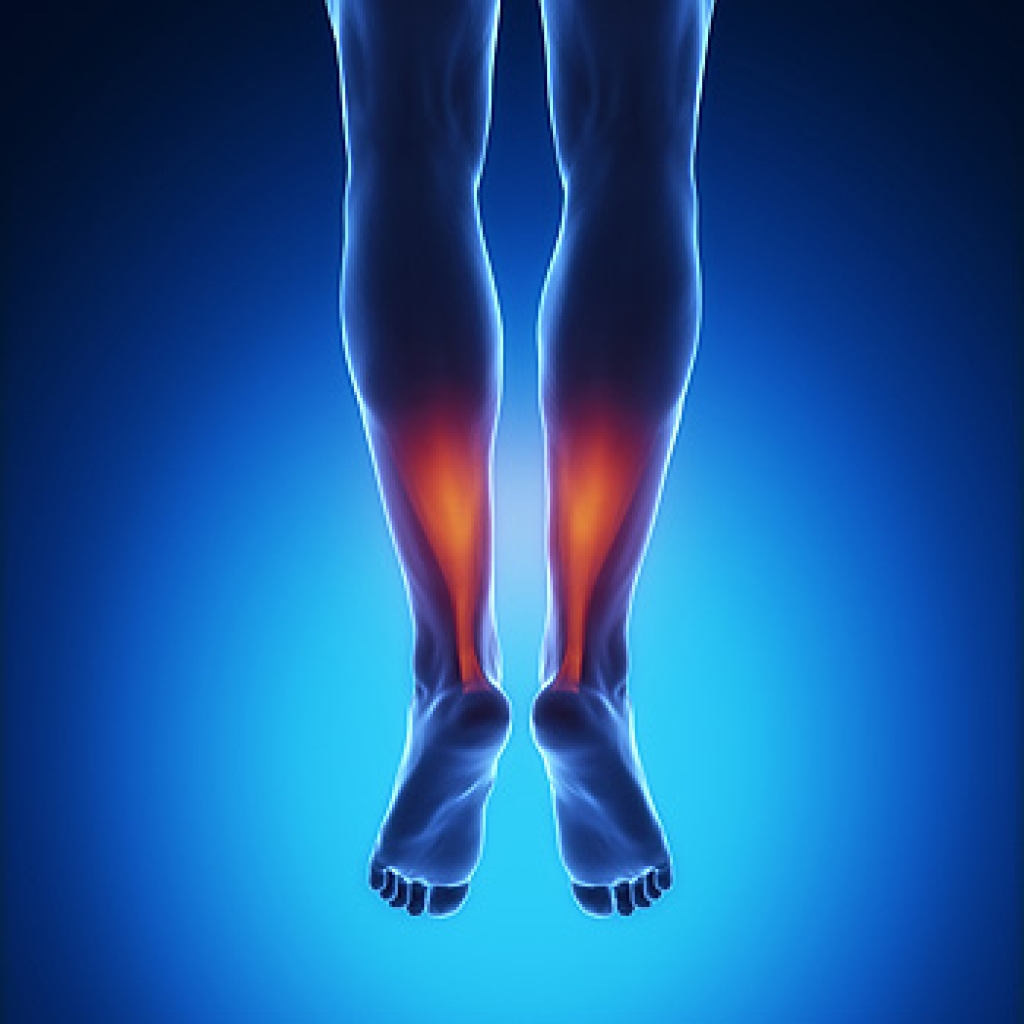
The purpose of the Achilles tendon is to connect the calf muscle to the heel bone. It is the longest tendon in the body, and walking or running would be impossible to accomplish without it. There are several causes for Achilles tendon pain, including inflammation of the tendon, known as tendonitis, or a tear occurring due to sudden movement, often causing severe pain. Surgery may be required to repair the tendon if the patient is unable to walk or stand. Other symptoms may include swelling, stiffness, and reduced strength in addition to experiencing a limited range of motion. There may be several factors which may increase the possibility of an Achilles tendon injury, including a change in the playing surface or an increase in training for athletes. If you think you may have this condition, a podiatrist will be able to help.

Achilles tendon injuries need immediate attention to avoid future complications. If you have any concerns, contact Jim Maxka, DPM of South Penn Foot & Ankle Associates. Our doctor can provide the care you need to keep you pain-free and on your feet.

What Is the Achilles Tendon?

The Achilles tendon is a tendon that connects the lower leg muscles and calf to the heel of the foot. It is the strongest tendon in the human body and is essential for making movement possible. Because this tendon is such an integral part of the body, any injuries to it can create immense difficulties and should immediately be presented to a doctor.

What Are the Symptoms of an Achilles Tendon Injury?

There are various types of injuries that can affect the Achilles tendon. The two most common injuries are Achilles tendinitis and ruptures of the tendon.

Achilles Tendinitis Symptoms

  • Inflammation
  • Dull to severe pain
  • Increased blood flow to the tendon
  • Thickening of the tendon

Rupture Symptoms

  • Extreme pain and swelling in the foot
  • Total immobility

Treatment and Prevention

Achilles tendon injuries are diagnosed by a thorough physical evaluation, which can include an MRI. Treatment involves rest, physical therapy, and in some cases, surgery. However, various preventative measures can be taken to avoid these injuries, such as:

  • Thorough stretching of the tendon before and after exercise
  • Strengthening exercises like calf raises, squats, leg curls, leg extensions, leg raises, lunges, and leg presses

If you have any questions please feel free to contact our office located in Hanover, PA . We offer the newest diagnostic tools and technology to treat your foot and ankle needs.
Read more about What are Achilles Tendon Injuries

How Elderly Folks Can Maintain Proper Foot Conditions

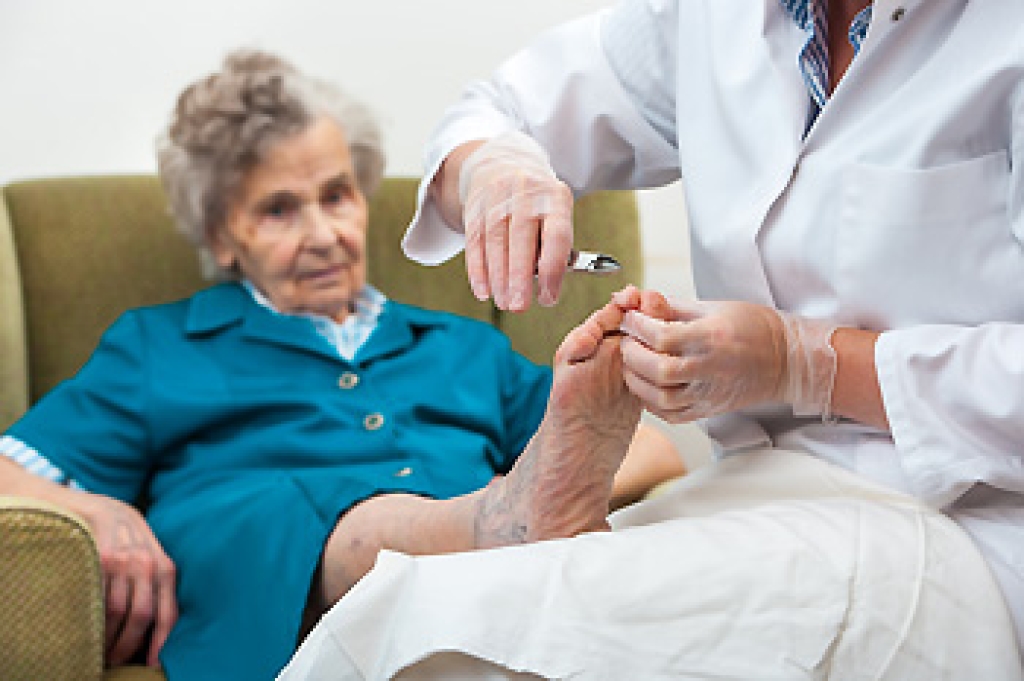
As we age, the skin on our feet becomes thinner, potentially leading to foot infections, corns, and blisters. Difficulty in bending down and having poor eyesight can make it frustrating to trim the toenails. Caring for the feet may become easier when a regular foot routine is implemented. This may include cutting the toenails straight across, making sure the feet are clean and dry, and wearing shoes and socks that fit properly. The best time of day to shop for shoes is in the afternoon when the feet are at their biggest, so the fit will be comfortable all day. Typically, using a good moisturizer will not only feel good, but will be beneficial in helping to heal dry, cracked skin. It’s crucial to notice signs of infection, especially if diabetes is present, in addition to treating any form of toenail fungus that may exist. A consultation with a podiatrist may be suggested if foot pain and discomfort is experienced.

Everyday foot care is very important to prevent infection and other foot ailments. If you need your feet checked, contact Jim Maxka, DPM from South Penn Foot & Ankle Associates. Our doctor can provide the care you need to keep you pain-free and on your feet.

Everyday Foot Care

Often, people take care of their bodies, face and hair more so than they do for their feet. But the feet are a very important aspect of our bodies, and one that we should pay more attention to. Without our feet, we would not be able to perform most daily tasks.

It is best to check your feet regularly to make sure there are no new bruises or cuts that you may not have noticed before. For dry feet, moisturizer can easily be a remedy and can be applied as often as necessary to the affected areas. Wearing shoes that fit well can also help you maintain good foot health, as well as making it easier to walk and do daily activities without the stress or pain of ill-fitting shoes, high heels, or even flip flops. Wearing clean socks with closed shoes is important to ensure that sweat and bacteria do not accumulate within the shoe. Clean socks help to prevent Athlete’s foot, fungi problems, bad odors, and can absorb sweat.

If you have any questions, please feel free to contact our office located in Hanover, PA . We offer the newest diagnostic and treatment technologies for all your foot care needs.

Read more about Elderly and their Feet

What Causes Plantar Warts?

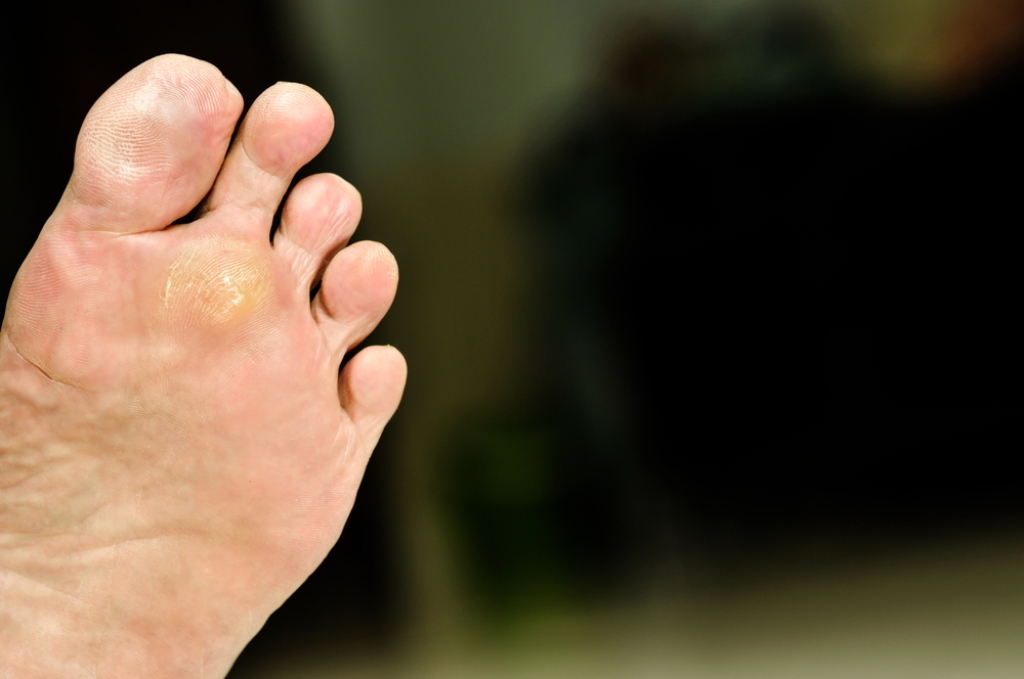
A plantar wart is caused by one of many types of a very common virus. It appears as a thick, callused spot on the sole of the foot and may vary in size, ranging from small to possibly covering most of the sole. The human papillomavirus (HPV) that causes plantar warts is known to be contagious and can also spread to other parts of the body. Although anyone is susceptible to this virus, it’s most prevalent in teenagers or those individuals with weakened immune systems. Many of these warts will disappear on their own, making it unnecessary to treat this condition. However, if the wart becomes painful and interferes with daily activities, there are various treatments available. A consultation with a podiatrist is suggested to learn about effective methods designed for the removal of plantar warts.

Plantar warts can be very uncomfortable. If you need your feet checked, contact Jim Maxka, DPM from South Penn Foot & Ankle Associates. Our doctor will assist you with all of your foot and ankle needs.

About Plantar Warts

Plantar warts are the result of HPV, or human papillomavirus, getting into open wounds on the feet. They are mostly found on the heels or balls of the feet.

While plantar warts are generally harmless, those experiencing excessive pain or those suffering from diabetes or a compromised immune system require immediate medical care. Plantar warts are easily diagnosed, usually through scraping off a bit of rough skin or by getting a biopsy.

Symptoms

  • Lesions on the bottom of your feet, usually rough and grainy
  • Hard or thick callused spots
  • Wart seeds, which are small clotted blood vessels that look like little black spots
  • Pain, discomfort, or tenderness of your feet when walking or standing

Treatment

  • Freezing
  • Electric tool removal
  • Laser Treatment
  • Topical Creams (prescription only)
  • Over-the-counter medications

To help prevent developing plantar warts, avoid walking barefoot over abrasive surfaces that can cause cuts or wounds for HPV to get into. Avoiding direct contact with other warts, as well as not picking or rubbing existing warts, can help prevent the further spread of plantar warts. However, if you think you have developed plantar warts, speak to your podiatrist. He or she can diagnose the warts on your feet and recommend the appropriate treatment options.

If you have any questions, please feel free to contact our office located in Hanover, PA . We offer the newest diagnostic and treatment technologies for all your foot care needs.

Read more about All About Plantar Warts

Why Does My Heel Hurt?

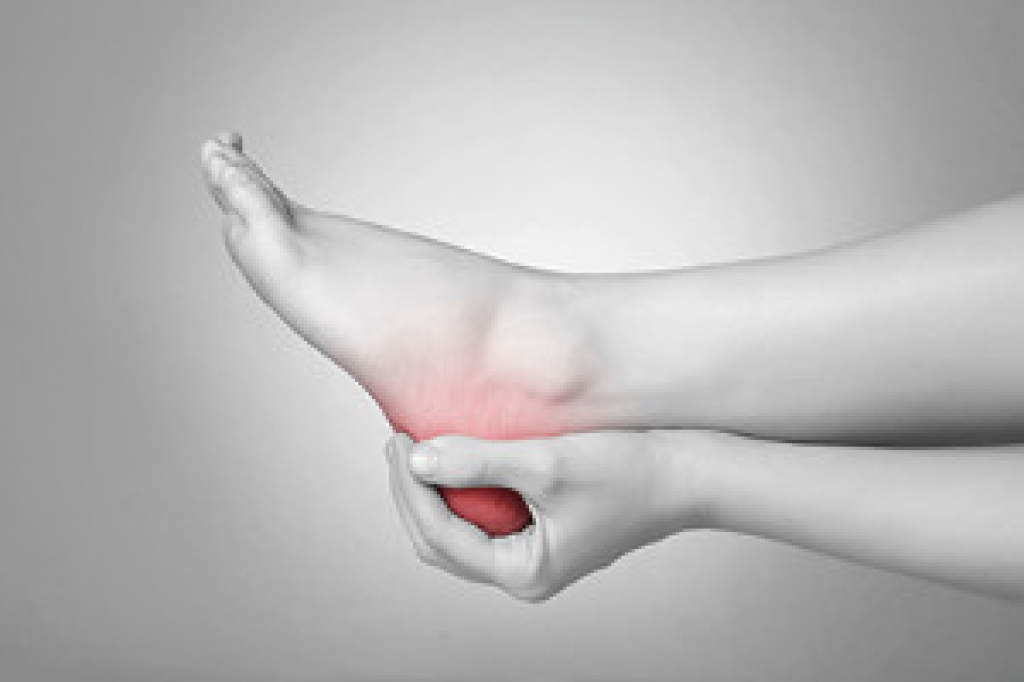
There are many types of heel pain, some of which are gradually felt, and some that are acute, typically caused by an injury. If pain under the heel is experienced, it may be a common condition referred to as plantar fasciitis. The pain is generally worse in the morning and may travel further down the foot. Having a bruised heel will begin as gradual pain occurring over a period of time, often affecting athletes due to the overuse of the plantar fascia tendon. Sever’s disease is characterized by pain in the back of the heel, often felt by young athletes. Swollen heels are another cause of heel pain and may be indicative of Achilles bursitis. A fracture may be possible if a fall was involved, often causing severe pain and making it difficult to walk. A consultation with a podiatrist is recommended if swelling, pain, or a "pins and needles" sensation is experienced in or around your feet.

Many people suffer from bouts of heel pain. For more information, contact Jim Maxka, DPM of South Penn Foot & Ankle Associates. Our doctor can provide the care you need to keep you pain-free and on your feet.

Causes of Heel Pain

Heel pain is often associated with plantar fasciitis. The plantar fascia is a band of tissues that extends along the bottom of the foot. A rip or tear in this ligament can cause inflammation of the tissue.

Achilles tendonitis is another cause of heel pain. Inflammation of the Achilles tendon will cause pain from fractures and muscle tearing. Lack of flexibility is also another symptom.

Heel spurs are another cause of pain. When the tissues of the plantar fascia undergo a great deal of stress, it can lead to ligament separation from the heel bone, causing heel spurs.

Why Might Heel Pain Occur?

  • Wearing ill-fitting shoes                
  • Wearing non-supportive shoes
  • Weight change           
  • Excessive running

Treatments

Heel pain should be treated as soon as possible for immediate results. Keeping your feet in a stress-free environment will help. If you suffer from Achilles tendonitis or plantar fasciitis, applying ice will reduce the swelling. Stretching before an exercise like running will help the muscles. Using all these tips will help make heel pain a condition of the past.

If you have any questions, please feel free to contact our office located in Hanover, PA . We offer the newest diagnostic and treatment technologies for all your foot care needs.

Read more about Heel Pain

Connect With Us

Back to top