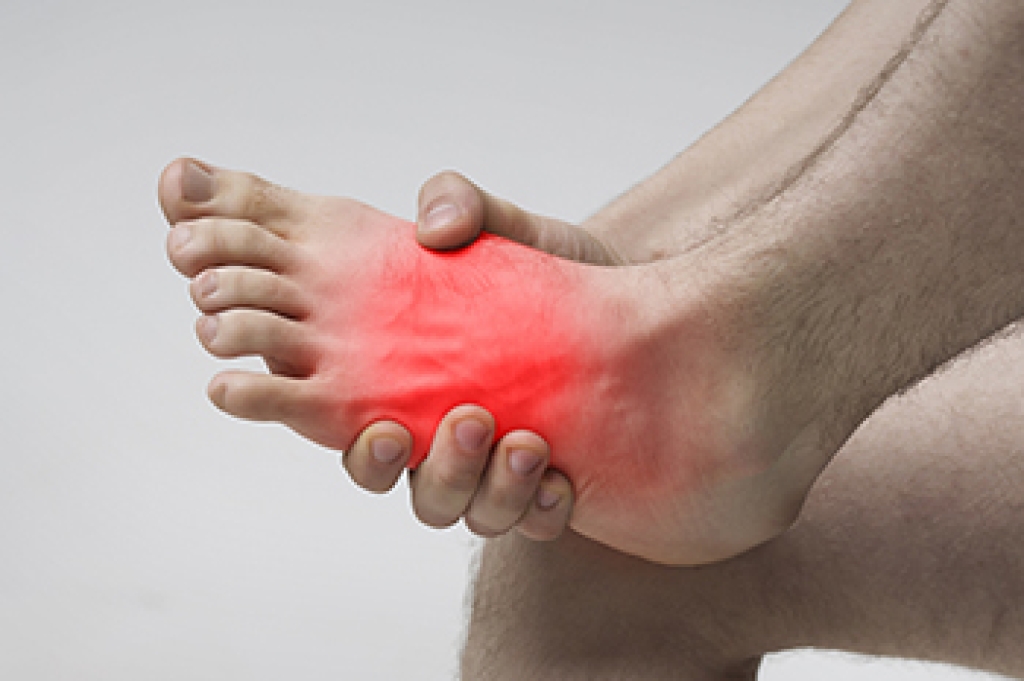
Understanding Foot Sprains

A foot sprain occurs when a ligament is stretched or torn. A ligament is a strong band of tissue that connects bones and helps keep joints stable. Most foot sprains happen when the foot twists unexpectedly, lands awkwardly, or remains planted while the body turns. Sports, dancing, and other activities that require quick changes in direction are common causes. A mid-foot sprain affects the center of the foot and can make movement difficult because this area helps support body weight. Sprains are generally grouped into three grades. Grade I involves small tears. Grade II involves larger tears. Grade III occurs when a ligament is completely torn or separated from the bone.

Symptoms of a sprained foot include pain, swelling, bruising, and tenderness. Many people have discomfort while walking and notice reduced strength when pushing off the foot. More severe injuries can make it difficult to place weight on the foot. Some patients also experience instability, meaning the foot feels weak or unsteady. A podiatrist can evaluate the injury with a physical examination and imaging tests. These are used to evaluate damage to soft tissues, ligaments, tendons, and muscles that support movement and stability.

Recovery depends on the severity of the injury. Treatment often includes a brace, walking boot, or crutches to protect the foot while healing. As pain and swelling improve, patients gradually return to normal activities. Rehabilitation exercises are frequently recommended to improve flexibility, strength, and balance. Supportive shoes with firm soles can help stabilize the foot while walking. More severe sprains sometimes require surgery to restore stability and proper alignment. Following a treatment plan carefully can improve healing and reduce the risk of future injuries. If you have sprained your foot, it is suggested that you make an appointment with a podiatrist for an exam and treatment options.

Foot Pain

Foot pain can be extremely painful and debilitating. If you have a foot pain, consult with Jim Maxka, DPM from South Penn Foot & Ankle Associates. Our doctor will assess your condition and provide you with quality foot and ankle treatment.

Causes

Foot pain is a very broad condition that could be caused by one or more ailments. The most common include:

  • Bunions
  • Hammertoes
  • Plantar Fasciitis
  • Bone Spurs
  • Corns
  • Tarsal Tunnel Syndrome
  • Ingrown Toenails
  • Arthritis (such as Gout, Rheumatoid, and Osteoarthritis)
  • Flat Feet
  • Injury (from stress fractures, broken toe, foot, ankle, Achilles tendon ruptures, and sprains)
  • And more

Diagnosis

To figure out the cause of foot pain, podiatrists utilize several different methods. This can range from simple visual inspections and sensation tests to X-rays and MRI scans. Prior medical history, family medical history, and any recent physical traumatic events will all be taken into consideration for a proper diagnosis.

Treatment

Treatment depends upon the cause of the foot pain. Whether it is resting, staying off the foot, or having surgery; podiatrists have a number of treatment options available for foot pain.

If you have any questions, please feel free to contact our office located in Hanover, PA . We offer the newest diagnostic and treatment technologies for all your foot care needs.


Read more about Foot Pain

Diabetic Foot Assessment

A diabetic foot exam by a podiatrist is an essential checkup to prevent complications, as diabetes can cause reduced blood flow and nerve damage in the feet. During the exam, the podiatrist carefully inspects the feet for any signs of cuts, blisters, ulcers, or fungal infections, as these can easily worsen if unnoticed. They will test the sensation in your feet using a small, thin monofilament or tuning fork to assess nerve function, identifying any numbness or decreased sensitivity. The podiatrist will also check your pulse and blood flow in the foot, as poor circulation can delay healing. They may evaluate foot structure, identifying issues like bunions or hammertoes that can increase the risk of sores. If you have diabetes, it is suggested that you have regular foot exams conducted by a podiatrist to help detect problems early, allowing for proper care and reducing the likelihood of serious complications, including infections and even amputations in severe cases.

Diabetic foot care is important in preventing foot ailments such as ulcers. If you are suffering from diabetes or have any other concerns about your feet, contact Jim Maxka, DPM from South Penn Foot & Ankle Associates. Our doctor can provide the care you need to keep you pain-free and on your feet.

Diabetic Foot Care

Diabetes affects millions of people every year. The condition can damage blood vessels in many parts of the body, especially the feet. Because of this, taking care of your feet is essential if you have diabetes, and having a podiatrist help monitor your foot health is highly recommended.

The Importance of Caring for Your Feet

  • Routinely inspect your feet for bruises or sores.
  • Wear socks that fit your feet comfortably.
  • Wear comfortable shoes that provide adequate support.

Patients with diabetes should have their doctor monitor their blood levels, as blood sugar levels play such a huge role in diabetic care. Monitoring these levels on a regular basis is highly advised.

It is always best to inform your healthcare professional of any concerns you may have regarding your feet, especially for diabetic patients. Early treatment and routine foot examinations are keys to maintaining proper health, especially because severe complications can arise if proper treatment is not applied.

If you have any questions, please feel free to contact our office located in Hanover, PA . We offer the newest diagnostic and treatment technologies for all your foot care needs.
Read more about Diabetic Foot Care

How Achilles Tendon Problems Progress

Achilles tendinopathy is a condition affecting the strong tendon that connects the calf muscles to the heel. Early changes often involve irritation from sudden increases in activity or repeated strain, causing pain, stiffness, and tenderness, especially after movement. If stress continues, the tendon may begin to lose its normal structure, making healing less efficient and symptoms more persistent. Over time, long-standing damage can develop, with thickening, weakness, and ongoing discomfort that may limit walking, exercise, or daily activity. At this stage, the tendon is more vulnerable to serious injury. Because symptoms can worsen gradually, many people delay treatment until the condition becomes harder to manage. A podiatrist can evaluate tendon function, identify contributing movement patterns, and recommend treatment based on how advanced the condition has become. If you have recurring pain or stiffness near the back of the heel, it is strongly suggested that you visit a podiatrist for an evaluation.

Achilles tendon injuries need immediate attention to avoid future complications. If you have any concerns, contact Jim Maxka, DPM of South Penn Foot & Ankle Associates. Our doctor can provide the care you need to keep you pain-free and on your feet.

What Is the Achilles Tendon?

The Achilles tendon is a tendon that connects the lower leg muscles and calf to the heel of the foot. It is the strongest tendon in the human body and is essential for making movement possible. Because this tendon is such an integral part of the body, any injuries to it can create immense difficulties and should immediately be presented to a doctor.

What Are the Symptoms of an Achilles Tendon Injury?

There are various types of injuries that can affect the Achilles tendon. The two most common injuries are Achilles tendinitis and ruptures of the tendon.

Achilles Tendinitis Symptoms

  • Inflammation
  • Dull to severe pain
  • Increased blood flow to the tendon
  • Thickening of the tendon

Rupture Symptoms

  • Extreme pain and swelling in the foot
  • Total immobility

Treatment and Prevention

Achilles tendon injuries are diagnosed by a thorough physical evaluation, which can include an MRI. Treatment involves rest, physical therapy, and in some cases, surgery. However, various preventative measures can be taken to avoid these injuries, such as:

  • Thorough stretching of the tendon before and after exercise
  • Strengthening exercises like calf raises, squats, leg curls, leg extensions, leg raises, lunges, and leg presses

If you have any questions please feel free to contact our office located in Hanover, PA . We offer the newest diagnostic tools and technology to treat your foot and ankle needs.

Read more about What are Achilles Tendon Injuries

More Than Just an Itchy Foot

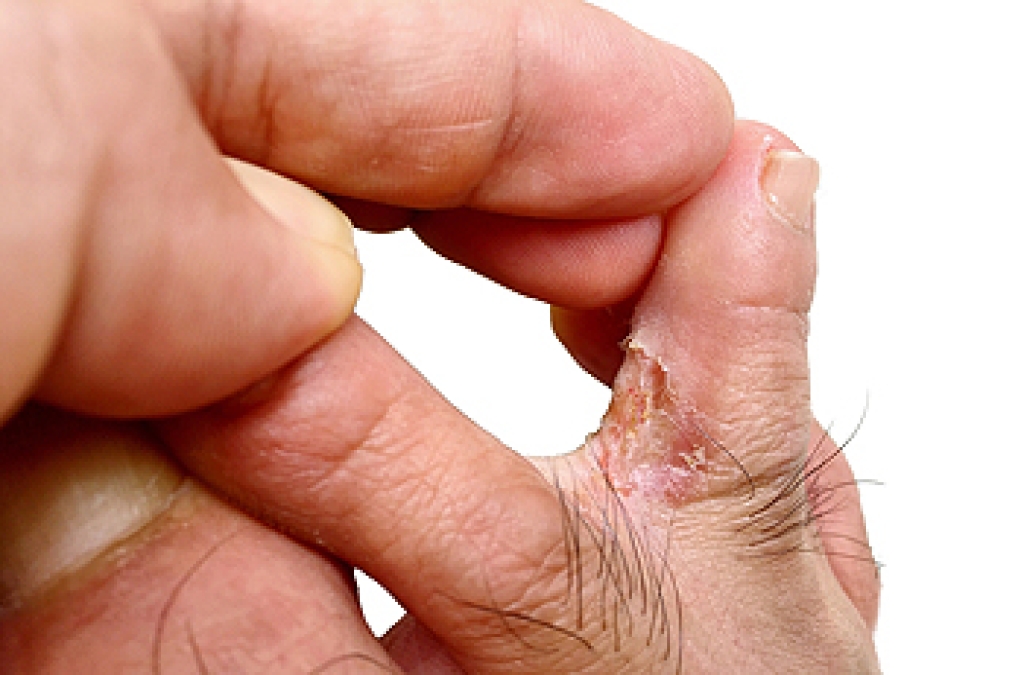
Athlete's foot is a common fungal skin infection that develops in warm, damp environments where fungi grow easily, such as sweaty shoes, locker rooms, or shared flooring. It may begin with itching, burning, peeling skin, or redness between the toes, but some people may also notice cracking, dryness, or discomfort along the soles. Because it can resemble other skin conditions, proper diagnosis is important before treatment begins. Left untreated, the infection may spread to other areas of the foot or even affect the toenails, making treatment more difficult. A podiatrist can identify the cause of the irritation, recommend appropriate treatment, and help address factors that may be contributing to repeat infections. Early care may bring relief faster and help prevent the condition from becoming more stubborn. If you have persistent itching, peeling, or irritated skin on your feet, it is strongly suggested that you visit a podiatrist for appropriate treatment solutions.

Athlete’s Foot

Athlete’s foot is often an uncomfortable condition to experience. Thankfully, podiatrists specialize in treating athlete’s foot and offer the best treatment options. If you have any questions about athlete’s foot, consult with Jim Maxka, DPM from South Penn Foot & Ankle Associates. Our doctor will assess your condition and provide you with quality treatment.

What Is Athlete’s Foot?

Tinea pedis, more commonly known as athlete’s foot, is a non-serious and common fungal infection of the foot. Athlete’s foot is contagious and can be contracted by touching someone who has it or infected surfaces. The most common places contaminated by it are public showers, locker rooms, and swimming pools. Once contracted, it grows on feet that are left inside moist, dark, and warm shoes and socks.

Prevention

The most effective ways to prevent athlete’s foot include:

  • Thoroughly washing and drying feet
  • Avoid going barefoot in locker rooms and public showers
  • Using shower shoes in public showers
  • Wearing socks that allow the feet to breathe
  • Changing socks and shoes frequently if you sweat a lot

Symptoms

Athlete’s foot initially occurs as a rash between the toes. However, if left undiagnosed, it can spread to the sides and bottom of the feet, toenails, and if touched by hand, the hands themselves. Symptoms include:

  • Redness
  • Burning
  • Itching
  • Scaly and peeling skin

Diagnosis and Treatment

Diagnosis is quick and easy. Skin samples will be taken and either viewed under a microscope or sent to a lab for testing. Sometimes, a podiatrist can diagnose it based on simply looking at it. Once confirmed, treatment options include oral and topical antifungal medications.

If you have any questions, please feel free to contact our office located in Hanover, PA . We offer the newest diagnostic and treatment technologies for all your foot care needs.

Read more about Athlete’s Foot

Gout Pain Can Be Managed

Gout is a painful, inflammatory form of arthritis. Those affected will typically feel an intense stiffness in the joints of their feet, particularly in the big toe. Schedule a visit to learn about how gout can be managed and treated.

Connect With Us

Back to top