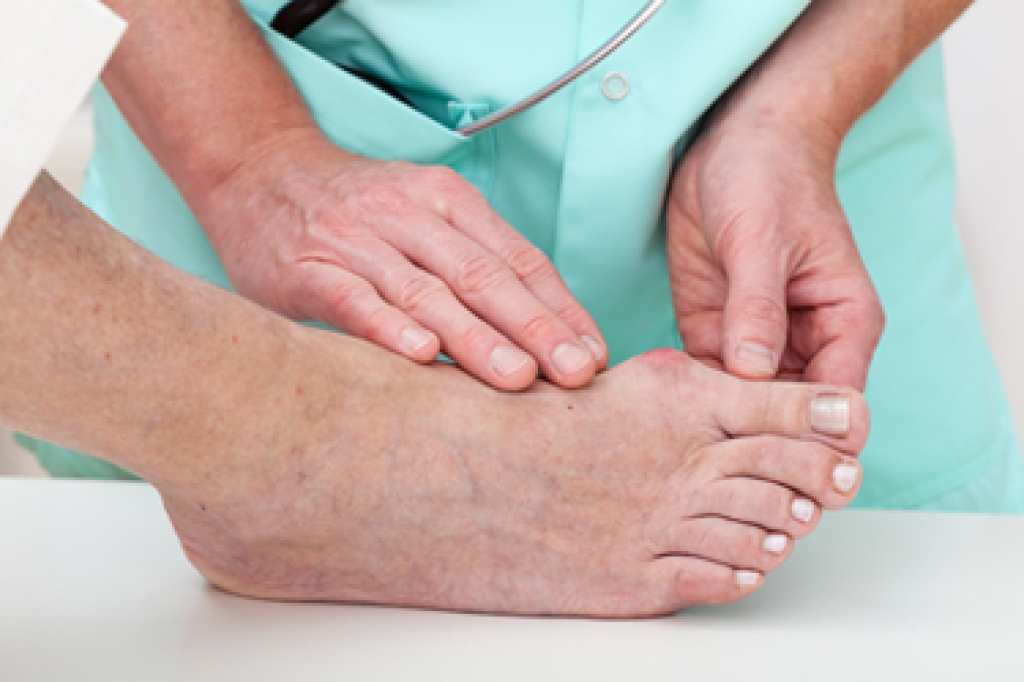
Possible Causes of Bunions

A bump that extends on the side of the big toe may indicate a bunion. It is considered to be a deformity, and a common cause can be from wearing shoes that do not have adequate room for the toes to move freely in. Additionally, genetics can play a significant role in developing a bunion. Mild relief may be found when larger shoes are purchased, and it may help to wear a protective covering over the top of the bunion. In severe cases, orthotics can be prescribed, and therapy techniques may be suggested. If you notice a bony protrusion on the side of the big toe, it may be a bunion, and it is strongly suggested that you seek treatment from a podiatrist.

If you are suffering from bunions, contact Jim Maxka, DPM of South Penn Foot & Ankle Associates. Our doctor can provide the care you need to keep you pain-free and on your feet.

What Is a Bunion?

A bunion is formed of swollen tissue or an enlargement of boney growth, usually located at the base joint of the toe that connects to the foot. The swelling occurs due to the bones in the big toe shifting inward, which impacts the other toes of the foot. This causes the area around the base of the big toe to become inflamed and painful.

Why Do Bunions Form?

Genetics – Susceptibility to bunions are often hereditary

Stress on the feet – Poorly fitted and uncomfortable footwear that places stress on feet, such as heels, can worsen existing bunions

How Are Bunions Diagnosed?

Podiatrists often perform two tests – blood tests and x-rays – when trying to diagnose bunions, especially in the early stages of development. Blood tests help determine if the foot pain is being caused by something else, such as arthritis, while x-rays provide a clear picture of your bone structure to your provider.

How Are Bunions Treated?

  • Refrain from wearing heels or similar shoes that cause discomfort
  • Select wider shoes that can provide more comfort and reduce pain
  • Anti-inflammatory and pain management drugs
  • Orthotics or foot inserts
  • Surgery

If you have any questions, please feel free to contact our office located in Hanover, PA . We offer the newest diagnostic and treatment technologies for all your foot care needs.

Read more about Bunions

It's Time for Beautiful Feet

You don't need an excuse to have beautiful nails. Step outside without worrying about the appearance of your feet.

How Did I Get a Hammertoe?

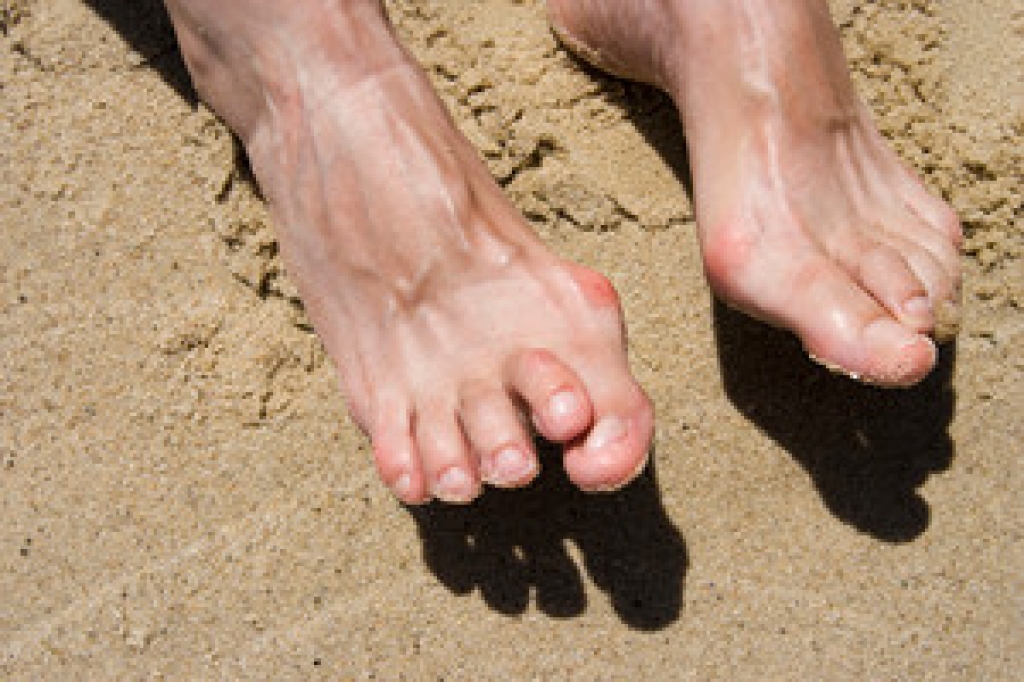
Hammertoes, as its name suggests, are toes that bend in a downward fashion, resembling a hammer. This condition is considered to be a deformity of the toe joints. The second, third, and fourth toes are more likely to be affected, causing them to take an abnormal shape. Toes affected by this condition will often have trouble straightening, and will need professional help to treat the hammertoe. Overuse, or damage to the muscles, ligaments, and tendons of the foot and toes may cause a hammertoe to develop. Other risk factors may include arthritis, trauma, and ill-fitting footwear. In severe cases, a hammertoe may require surgery to be permanently fixed. For a proper diagnosis and advised treatment plan, it is suggested that you consult with a podiatrist.

Hammertoes can be a painful condition to live with. For more information, contact Jim Maxka, DPM of South Penn Foot & Ankle Associates. Our doctor will answer any of your foot- and ankle-related questions.

Hammertoe

Hammertoe is a foot deformity that occurs due to an imbalance in the muscles, tendons, or ligaments that normally hold the toe straight. It can be caused by the type of shoes you wear, your foot structure, trauma, and certain disease processes.

Symptoms

  • Painful and/or difficult toe movement
  • Swelling
  • Joint stiffness
  • Calluses/Corns
  • Physical deformity

Risk Factors

  • Age – The risk of hammertoe increases with age
  • Sex – Women are more likely to have hammertoe compared to men
  • Toe Length – You are more likely to develop hammertoe if your second toe is longer than your big toe
  • Certain Diseases – Arthritis and diabetes may make you more likely to develop hammertoe

Treatment

If you have hammertoe, you should change into a more comfortable shoe that provides enough room for your toes. Exercises such as picking up marbles may strengthen and stretch your toe muscles. Nevertheless, it is important to seek assistance from a podiatrist in order to determine the severity of your hammertoe and see which treatment option will work best for you.

If you have any questions, please feel free to contact our office located in Hanover, PA . We offer the newest diagnostic and treatment technologies for all your foot care needs.
Read more about What Are Hammertoes?

Gout Can Cause Walking To Be Painful

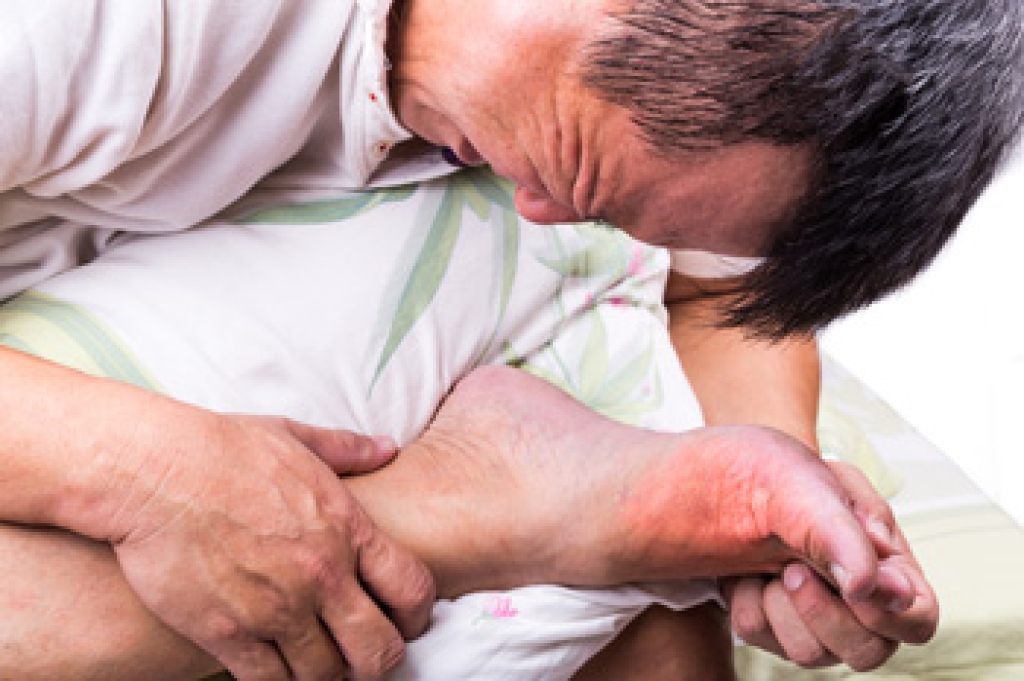
There are many patients who experience the painful condition that is known as gout. It is a form of arthritis, and in severe cases, this ailment can cause the inability to walk. It develops as a result of elevated uric acid levels in the blood, and can occur because of genetic factors. Additionally, eating specific foods can contribute to developing gout. These can consist of shellfish, red meat, and drinks that have a high sugar content. The symptoms that are experienced with gout include redness and swelling in the joints of the big toe, and the pain may be noticed more often in the morning. If you have gout, it is advised that you are under the care of a podiatrist, who can recommend correct treatment options.

Gout is a foot condition that requires certain treatment and care. If you are seeking treatment, contact Jim Maxka, DPM from South Penn Foot & Ankle Associates. Our doctor will treat your foot and ankle needs.

What Is Gout?

Gout is a type of arthritis caused by a buildup of uric acid in the bloodstream. It often develops in the foot, especially the big toe area, although it can manifest in other parts of the body as well. Gout can make walking and standing very painful and is especially common in diabetics and the obese.

People typically get gout because of a poor diet. Genetic predisposition is also a factor. The children of parents who have had gout frequently have a chance of developing it themselves.

Gout can easily be identified by redness and inflammation of the big toe and the surrounding areas of the foot. Other symptoms include extreme fatigue, joint pain, and running high fevers. Sometimes corticosteroid drugs can be prescribed to treat gout, but the best way to combat this disease is to get more exercise and eat a better diet.

If you have any questions, please feel free to contact our office located in Hanover, PA . We offer the newest diagnostic and treatment technologies for all your foot care needs.

Read more about Everything You Need to Know About Gout

How to Know If Your Foot Is Broken

The severity of a broken foot can range from a small fracture to throbbing in the affected foot. If a broken foot is not detected in time, issues such as arthritis, infection, or damage to the nerves and blood vessels may arise. Therefore, if you are experiencing symptoms such as bruising, swelling, numbness, or a foot deformity, such as a broken bone sticking out of the skin, it is important to consult with a podiatrist immediately. During the visit, your podiatrist can check for fractures with various tests that may include x-rays, bone scans, MRIs, and CT scans. After reviewing the results, your podiatrist can then recommend the proper treatment which may include a cast, surgery, and rest.  

A broken foot requires immediate medical attention and treatment. If you need your feet checked, contact Jim Maxka, DPM from South Penn Foot & Ankle Associates. Our doctor can provide the care you need to keep you pain-free and on your feet.

Broken Foot Causes, Symptoms, and Treatment

A broken foot is caused by one of the bones in the foot typically breaking when bended, crushed, or stretched beyond its natural capabilities. Usually the location of the fracture indicates how the break occurred, whether it was through an object, fall, or any other type of injury. 

Common Symptoms of Broken Feet:

  • Bruising
  • Pain
  • Redness
  • Swelling
  • Blue in color
  • Numbness
  • Cold
  • Misshapen
  • Cuts
  • Deformities

Those that suspect they have a broken foot shoot seek urgent medical attention where a medical professional could diagnose the severity.

Treatment for broken bones varies depending on the cause, severity and location. Some will require the use of splints, casts or crutches while others could even involve surgery to repair the broken bones. Personal care includes the use of ice and keeping the foot stabilized and elevated.

If you have any questions, please feel free to contact our office located in Hanover, PA . We offer the newest diagnostic and treatment technologies for all your foot care needs.

Read more about Causes, Symptoms, and Treatment for a Broken Foot

Connect With Us

Back to top