Foot and Ankle Injuries in Baseball

Baseball places repeated stress on the feet and ankles because every game includes sprinting, quick stops, sharp turns, and sliding. Players also put force on these joints while batting, pitching, and fielding. A fast change in direction or an awkward slide can stretch or tear ligaments, which are the strong bands of tissue that connect bones. Baseball also causes fractures, bruises, and tendon injuries. Tendons attach muscles to bones and help create movement. Pain in the heel, arch, or ball of the foot can develop from repeated strain. Studies show that nearly one out of every five baseball injuries affects the lower legs, feet, or ankles.

A podiatrist can help by learning how the injury occurred and examining the foot and ankle. The evaluation includes checking strength, stability, and range of motion. It also looks for swelling, tenderness, or changes in alignment. Imaging tests, like X-rays or MRI scans, help confirm fractures, torn ligaments, or other damage. A podiatrist also examines baseball cleats to see whether they fit properly and provide enough support. Treating injuries early helps prevent further damage and allows players to return to the field with greater confidence. Ignoring pain can turn a minor injury into one that limits performance for a much longer period.

Treatment depends on the type and severity of the injury. A podiatrist creates a plan that protects the injured area while promoting proper healing. Care includes supportive bracing, custom orthotics, or casting when needed. Some injuries may require surgery to restore stability or repair damaged tissue. A podiatrist also evaluates movement patterns and recommends shoe changes that reduce stress on the feet and ankles during baseball activities. Regular follow-up visits help track healing and determine when it is safe to resume play. If you have foot or ankle pain from sporting activity, it is suggested that you schedule an appointment with a podiatrist for diagnosis and appropriate treatment.

Sports related foot and ankle injuries require proper treatment before players can go back to their regular routines. For more information, contact Jim Maxka, DPM of South Penn Foot & Ankle Associates. Our doctor can provide the care you need to keep you pain-free and on your feet.

Sports Related Foot and Ankle Injuries

Foot and ankle injuries are a common occurrence when it comes to athletes of any sport. While many athletes dismiss the initial aches and pains, the truth is that ignoring potential foot and ankle injuries can lead to serious problems. As athletes continue to place pressure and strain the area further, a mild injury can turn into something as serious as a rupture and may lead to a permanent disability. There are many factors that contribute to sports related foot and ankle injuries, which include failure to warm up properly, not providing support or wearing bad footwear. Common injuries and conditions athletes face, including:

  • Plantar Fasciitis
  • Achilles Tendinitis
  • Achilles Tendon Rupture
  • Ankle Sprains

Sports related injuries are commonly treated using the RICE method. This includes rest, applying ice to the injured area, compression and elevating the ankle. More serious sprains and injuries may require surgery, which could include arthroscopic and reconstructive surgery. Rehabilitation and therapy may also be required in order to get any recovering athlete to become fully functional again. Any unusual aches and pains an athlete sustains must be evaluated by a licensed, reputable medical professional.

If you have any questions please contact our office located in Hanover, PA . We offer the newest diagnostic and treatment technologies for all your foot and ankle needs.
Read more about Sports Related Foot and Ankle Injuries

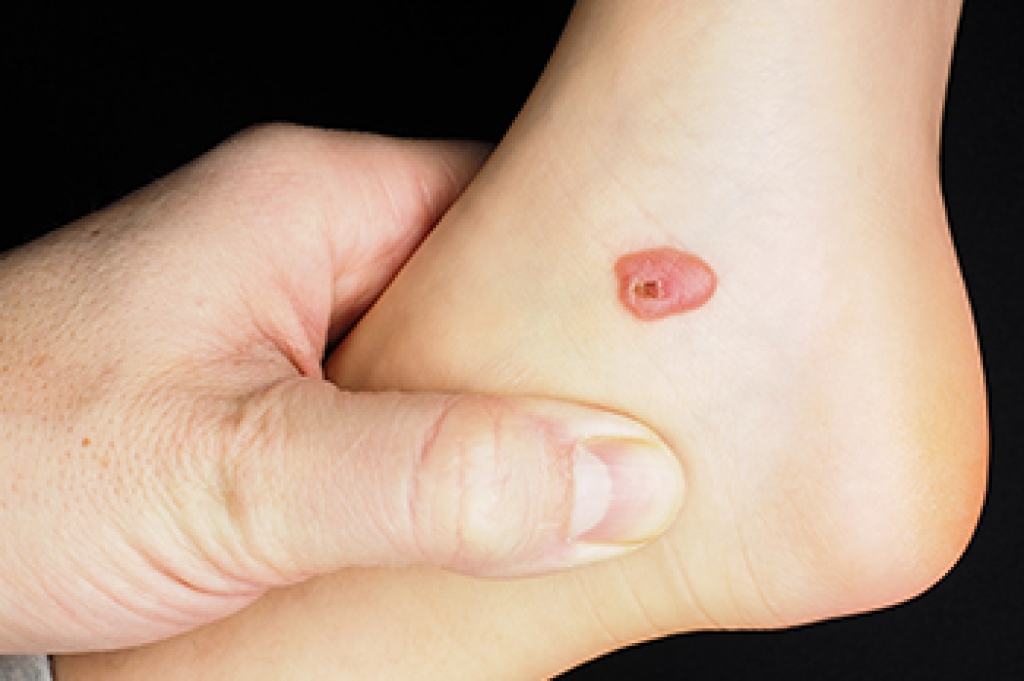
Understanding the Seriousness of Foot Blisters and When to Seek Care

Foot blisters are a common skin condition caused by friction, heat, or pressure on the foot. They form when layers of skin separate and fill with fluid, creating a small pocket that protects underlying tissue. Although they are often associated with new shoes or increased physical activity, they can also develop due to underlying biomechanical issues. Understanding their causes and seriousness helps prevent complications and supports better foot health.

The symptoms of foot blisters can vary depending on severity. Early signs include redness and a hot spot on the skin, followed by the development of a fluid filled sac. The blister may feel tight, painful, or sensitive when walking. If the blister breaks open, it can expose delicate skin that is prone to irritation and infection. In more serious cases, signs such as swelling, pus, or increased pain may indicate infection and require prompt attention.


Risk factors for foot blisters include prolonged walking, excessive sweating, and wearing improper footwear. Athletes and individuals who spend long hours on their feet are especially vulnerable. Foot structure problems, such as bunions or high arches, can increase pressure points, leading to repeated friction. Environmental factors such as heat and humidity can also weaken the skin and increase susceptibility to blister formation.


Foot blisters are usually manageable, but they should not be ignored if they persist or worsen. Proper care includes keeping the area clean, reducing friction, and protecting the skin during healing. Recognizing when a blister becomes serious is essential for preventing infection and long term discomfort. If you develop foot blisters frequently, or have ongoing irritation, it is suggested that you seek evaluation from a podiatrist for effective relief.

Blisters may appear as a single bubble or in a cluster. They can cause a lot of pain and may be filled with pus, blood, or watery serum. If your feet are hurting, contact Jim Maxka, DPM of South Penn Foot & Ankle Associates. Our doctor can provide the care you need to keep you pain-free and on your feet.

Foot Blisters

Foot blisters are often the result of friction. This happens due to the constant rubbing from shoes, which can lead to pain.

What Are Foot Blisters?

A foot blister is a small fluid-filled pocket that forms on the upper-most layer of the skin. Blisters are filled with clear fluid and can lead to blood drainage or pus if the area becomes infected.

Symptoms

(Blister symptoms may vary depending on what is causing them)

  • Bubble of skin filled with fluid
  • Redness
  • Moderate to severe pain
  • Itching

Prevention & Treatment

In order to prevent blisters, you should be sure to wear comfortable shoes with socks that cushion your feet and absorb sweat. Breaking a blister open may increase your chances of developing an infection. However, if your blister breaks, you should wash the area with soap and water immediately and then apply a bandage to the affected area. If your blisters cause severe pain it is important that you call your podiatrist right away.

If you have any questions, please feel free to contact our office located in Hanover, PA . We offer the newest diagnostic and treatment technologies for all your foot care needs.

Read more about Blisters

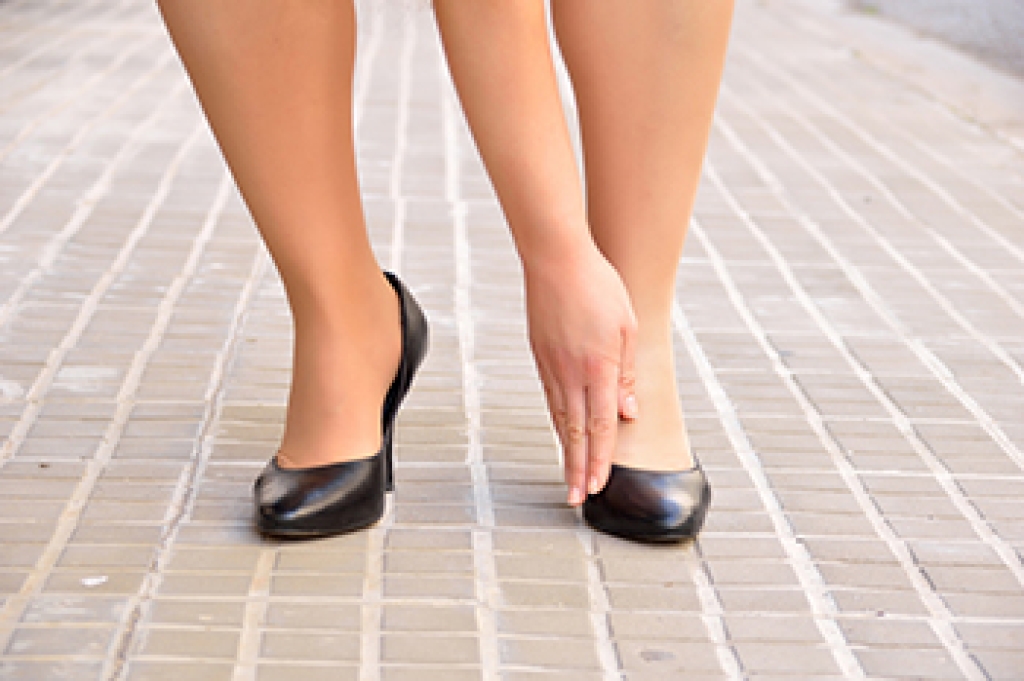
The Cost of High Heels on the Feet

High heels can change the way the body carries weight and place extra pressure on the front of the foot. As heel height increases, more body weight shifts toward the toes instead of being evenly distributed across the foot. This added stress may lead to foot pain and increase the risk of problems over time. Common conditions linked to wearing high heels include bunions, hammertoes, and nerve irritation. High heels may also affect balance and change the way a person walks. This can place extra strain on the ankles, knees, and lower back. While not everyone who wears high heels develops foot problems, frequent use may increase the chance of discomfort and long-term changes in foot structure.


A podiatrist can evaluate how high heels are affecting your feet and identify conditions before they become more serious. During an examination, the podiatrist checks foot alignment, joint movement, and areas of increased pressure. They also look for changes in the toes, skin, and soft tissues that may be contributing to pain. Treatment depends on the specific condition and the severity of symptoms. Professional care may include custom orthotics, supportive footwear recommendations, or other medical treatments designed to improve comfort and reduce stress on the feet. Early evaluation can also help prevent ongoing pain from interfering with daily activities.


Professional foot pain treatment and podiatry care can help relieve discomfort while protecting your long-term foot health. Addressing symptoms early may improve mobility and reduce the risk of lasting foot problems. A podiatrist develops a treatment plan based on your individual needs and monitors your progress over time. Whether pain develops gradually or begins after wearing high heels more often, early care can support better foot function and comfort. If high heels are causing foot pain or toe discomfort, it is suggested that you consult a podiatrist for an evaluation.

High heels have a history of causing foot and ankle problems. If you have any concerns about your feet or ankles, contact Jim Maxka, DPM from South Penn Foot & Ankle Associates. Our doctor can provide the care you need to keep you pain-free and on your feet.

Effects of High Heels on the Feet

High heels are popular shoes among women because of their many styles and societal appeal.  Despite this, high heels can still cause many health problems if worn too frequently.

Which Parts of My Body Will Be Affected by High Heels?

  • Ankle Joints
  • Achilles Tendon – May shorten and stiffen with prolonged wear
  • Balls of the Feet
  • Knees – Heels cause the knees to bend constantly, creating stress on them
  • Back – They decrease the spine’s ability to absorb shock, which may lead to back pain.  The vertebrae of the lower back may compress.

What Kinds of Foot Problems Can Develop from Wearing High Heels?

  • Corns
  • Calluses
  • Hammertoe
  • Bunions
  • Morton’s Neuroma
  • Plantar Fasciitis

How Can I Still Wear High Heels and Maintain Foot Health?

If you want to wear high heeled shoes, make sure that you are not wearing them every day, as this will help prevent long term physical problems.  Try wearing thicker heels as opposed to stilettos to distribute weight more evenly across the feet.  Always make sure you are wearing the proper shoes for the right occasion, such as sneakers for exercising.  If you walk to work, try carrying your heels with you and changing into them once you arrive at work.  Adding inserts to your heels can help cushion your feet and absorb shock. Full foot inserts or metatarsal pads are available. 

If you have any questions, please feel free to contact our office located in Hanover, PA . We offer the newest diagnostic and treatment technologies for all your foot care needs.

Read more about Effect of High Heels on the Feet

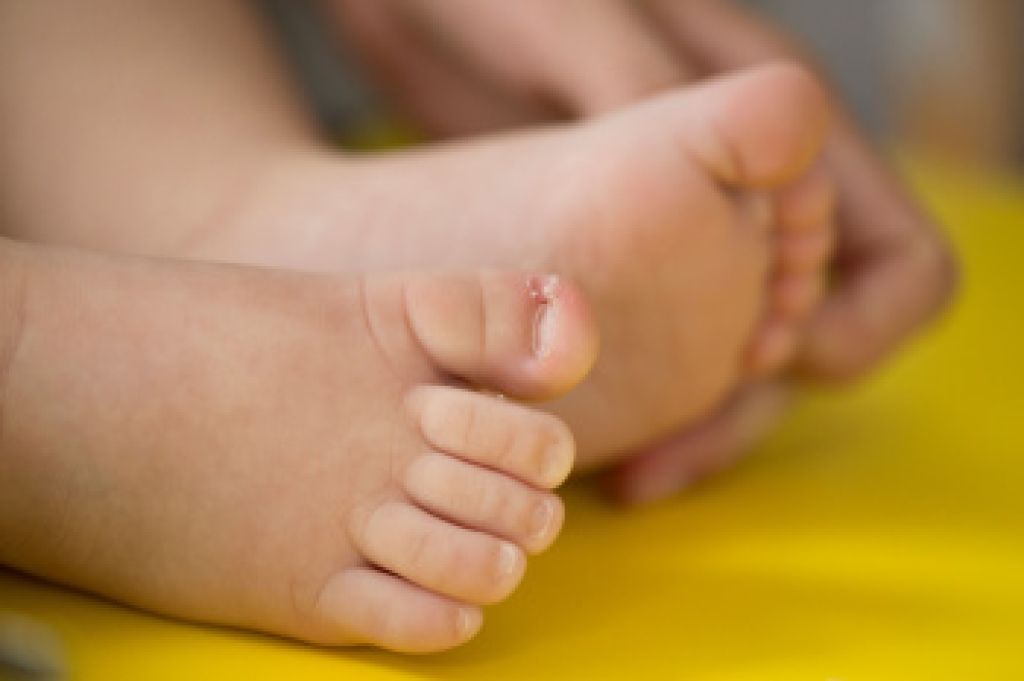
Early Warning Signs of Ingrown Toenails in Children

Ingrown toenails, medically known as onychocryptosis, are a common nail disorder that affects children and adolescents. This condition occurs when the edge of the toenail grows into the surrounding skin, leading to irritation and discomfort. It most often affects the big toe and can interfere with normal walking and daily activity. In children, early recognition is important because the condition can progress quickly if left untreated. Understanding the definition and stages of ingrown toenails helps parents respond promptly and reduce complications.

Symptoms of ingrown toenails often begin with redness and mild tenderness along the nail border. As the condition progresses, inflammation increases, and the area may become swollen and painful. Children may complain of discomfort when wearing shoes or during physical activity. In more advanced stages, the skin may begin to fold over the nail edge, and infection can develop. Signs of infection include drainage, warmth, and increased pain. Difficulty walking may occur if pressure on the affected toe becomes severe.


Several risk factors contribute to ingrown toenails in children. Improper footwear that is too tight or narrow can place pressure on the toes and encourage the nail to grow inward. Incorrect nail trimming, such as cutting the nails too short or rounding the edges, can also lead to this condition. Active children who participate in sports may experience repeated trauma to the toes, increasing the risk of nail problems. Poor foot hygiene and excessive sweating can further contribute to skin irritation and infection.


Preventing ingrown toenails involves proper nail care, wearing well-fitting shoes, and good hygiene practices. Nails should be trimmed straight across and not too short to avoid pressure on the surrounding skin. Comfortable shoes with adequate toe space can reduce friction and irritation. Early attention to symptoms can prevent progression to infection and more serious complications. Ingrown toenails can be painful. If your child has symptoms of an ingrown toenail, it is suggested that you promptly consult a podiatrist for effective relief and treatment solutions.

Ingrown toenails can become painful if they are not treated properly. For more information about ingrown toenails, contact Jim Maxka, DPM of South Penn Foot & Ankle Associates. Our doctor can provide the care you need to keep you pain-free and on your feet.

Ingrown Toenails

Ingrown toenails occur when a toenail grows sideways into the bed of the nail, causing pain, swelling, and possibly infection.

Causes

  • Bacterial infections
  • Improper nail cutting such as cutting it too short or not straight across
  • Trauma to the toe, such as stubbing, which causes the nail to grow back irregularly
  • Ill-fitting shoes that bunch the toes too close together
  • Genetic predisposition

Prevention

Wearing proper fitting shoes and using proper cutting techniques will also help decrease your risk of developing ingrown toenails.

Treatment

Ingrown toenails are a very treatable foot condition. In minor cases, soaking the affected area in salt or antibacterial soaps will not only help with the ingrown nail itself, but also help prevent any infections from occurring. In more severe cases, surgery is an option. In either case, speaking to your podiatrist about this condition will help you get a better understanding of specific treatment options that are right for you.

If you have any questions, please feel free to contact our office located in Hanover, PA . We offer the newest diagnostic and treatment technologies for all your foot care needs.

Read more about Ingrown Toenail Care

Connect With Us

Back to top