
Exercises Designed to Help Strengthen Ankles

Weak ankles can make uneven sidewalks, rocky trails, and sports feel risky. The ankle may roll easily, feel unsteady, or give way without warning. Previous sprains are a leading cause, because an injured ligament may not support the joint. In addition, weak muscles surrounding the foot and ankle can reduce control. Some people have loose ligaments or a foot shape that places extra strain on the ankle. Repeated instability can lead to more sprains, ongoing pain, and joint damage. A podiatrist can identify why the ankle feels weak and whether an unhealed injury is contributing. Ankle-strengthening exercises can improve stability, balance, and control. 

A podiatrist may recommend gentle resistance exercises that move the foot up, down, and from side-to-side. Calf raises strengthen the muscles that support the ankle while standing. Balance exercises, including standing on one foot, help the body respond when the ground shifts. These exercises should begin at a safe level and should not cause sharp pain. After a recent sprain, the injured tissues need to heal before harder exercise begins. Starting too soon can increase pain or lead to another injury. A podiatrist can explain which movements are appropriate and how often they should be performed.

A podiatrist can examine ankle motion, muscle strength, and balance to build a suitable plan. Treatment includes guidance on safe exercises and supportive shoes. Custom orthotics may improve foot alignment and reduce strain on an unstable ankle. A brace can provide support for sports or demanding activities, but it does not replace strengthening. The podiatrist can monitor progress and adjust the plan as control improves. Imaging tests may be ordered when pain, swelling, or repeated sprains suggest ligament or bone damage. Severe instability that continues despite conservative treatment may require surgery to repair damaged tissue or correct a structural problem. If you have ankle weakness, it is suggested that you schedule an appointment with a podiatrist for a diagnosis and appropriate treatment.

Exercising your feet regularly with the proper foot wear is a great way to prevent injuries and build strength. If you have any concerns about your feet, contact Jim Maxka, DPM from South Penn Foot & Ankle Associates. Our doctor can provide the care you need to keep you pain-free and on your feet.

Exercise for Your Feet

Exercise for your feet can help you gain strength, mobility and flexibility in your feet. They say that strengthening your feet can be just as rewarding as strengthening another part of the body. Your feet are very important, and we often forget about them in our daily tasks. But it is because of our feet that are we able to get going and do what we need to. For those of us fortunate enough to not have any foot problems, it is an important gesture to take care of them to ensure good health in the long run.

Some foot health exercises can include ankle pumps, tip-toeing, toe rises, lifting off the floor doing reps and sets, and flexing the toes. It is best to speak with Our doctor to determine an appropriate regimen for your needs. Everyone’s needs and bodies are different, and the activities required to maintain strength in the feet vary from individual to individual. 

Once you get into a routine of doing regular exercise, you may notice a difference in your feet and how strong they may become.

If you have any questions, please feel free to contact our office located in Hanover, PA . We offer the newest diagnostic and treatment technologies for all your foot care needs.

Read more about Exercise for Your Feet

Ways Ankle Sprains and Fractures Are Different

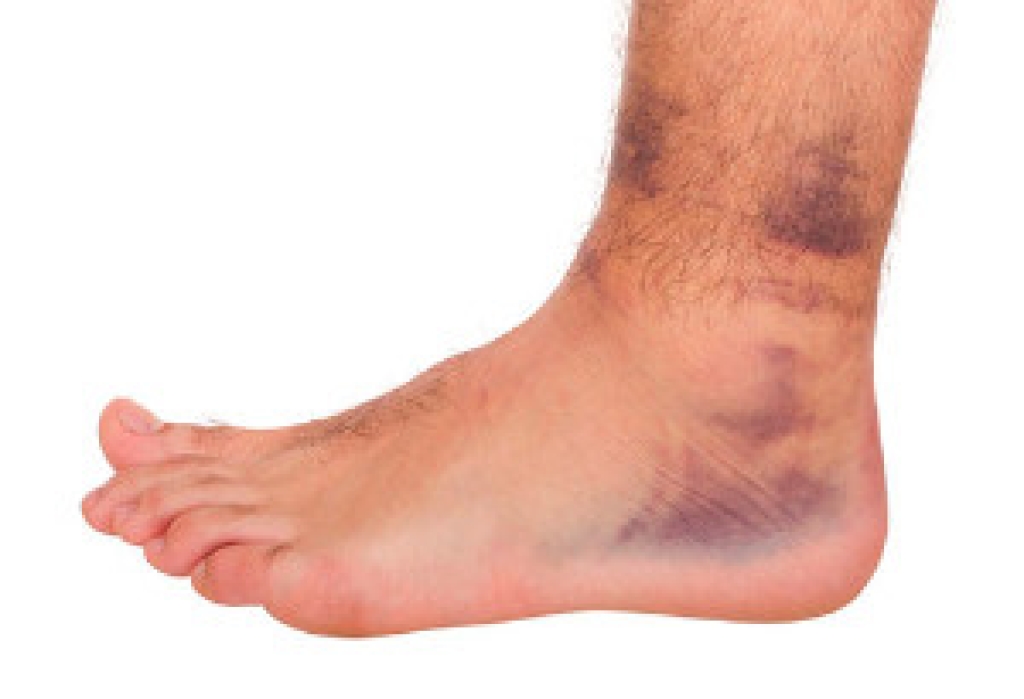
An injury that causes pain, swelling, and difficulty moving may be an ankle sprain or a fracture. A sprain occurs when the ligaments are stretched or torn. These strong bands of tissue connect bones and help keep the ankle stable. A fracture is a crack or break in an ankle bone. Either injury can result from a fall, sudden twist, or hard impact. Since an accident can damage both bones and ligaments, symptoms alone may not identify the injury.

Sprains and fractures can both cause pain, bruising, and swelling. Pain from a sprain is usually centered in the softer tissue around the joint, while fracture pain can be strongest directly over a bone. A cracking sound, unusual angle, or exposed bone can indicate a fracture. Some patients with a sprain can put weight on the ankle, but walking can be painful. A fracture can make standing or walking impossible. However, the ability to move the ankle or bear weight does not rule out a broken bone. Because these signs can overlap, a professional examination is important. An injury that is not treated correctly can lead to lasting pain, weakness, or ankle instability.

A podiatrist asks how the injury happened, examines the painful area, and checks the ankle’s movement. X-rays can show most fractures and reveal whether the bones remain properly aligned. Other imaging tests may be needed to diagnose a sprain and determine the extent of ligament damage. Treatment depends on the location and severity of the injury. A podiatrist can stabilize the ankle with a brace, splint, or cast. Severe fractures can require surgery to restore the position of the bones. A major ligament tear can also require surgery when the ankle remains unstable. Follow-up visits allow the podiatrist to monitor healing and adjust the treatment plan. If you have injured your ankle, it is suggested that you schedule an appointment with a podiatrist for a diagnosis and appropriate treatment.

Ankle pain can be caused by a number of problems and may be potentially serious. If you have ankle pain, consult with Jim Maxka, DPM from South Penn Foot & Ankle Associates. Our doctor will assess your condition and provide you with quality foot and ankle treatment.

Ankle pain is any condition that causes pain in the ankle. Due to the fact that the ankle consists of tendons, muscles, bones, and ligaments, ankle pain can come from a number of different conditions.

Causes

The most common causes of ankle pain include:

  • Types of arthritis (rheumatoid, osteoarthritis, and gout)
  • Ankle sprains
  • Broken ankles
  • Achilles tendonitis
  • Achilles tendon rupture
  • Stress fractures
  • Bursitis
  • Tarsal tunnel syndrome
  • Plantar fasciitis

Symptoms

Symptoms of ankle injury vary based upon the condition. Pain may include general pain and discomfort, swelling, aching, redness, bruising, burning or stabbing sensations, and/or loss of sensation.

Diagnosis

Due to the wide variety of potential causes of ankle pain, podiatrists will utilize a number of different methods to properly diagnose ankle pain. This can include asking for personal and family medical histories and of any recent injuries. Further diagnosis may include sensation tests, a physical examination, and potentially x-rays or other imaging tests.

Treatment

Just as the range of causes varies widely, so do treatments. Some more common treatments are rest, ice packs, keeping pressure off the foot, orthotics and braces, medication for inflammation and pain, and surgery.

If you have any questions please feel free to contact our office located in Hanover, PA . We offer the newest diagnostic tools and technology to treat your foot and ankle needs.

Read more about Ankle Pain

Foot Cramps and Their Common Causes

Foot cramps are sudden, involuntary muscle contractions that can cause sharp pain and temporary difficulty moving the foot. They may affect the toes, arch, or other areas, and can happen during exercise, after prolonged standing, or while resting at night. Occasional cramps are often temporary, but frequent or severe episodes may point to an underlying problem. Recognizing common causes and risk factors can help you understand why foot cramps develop and when professional care may be appropriate.

Muscle fatigue is a frequent cause of foot cramps. Long periods of walking, standing, or strenuous activity can overwork the muscles and make them more likely to tighten unexpectedly. Dehydration can also contribute because proper fluid balance is important for normal muscle function. Electrolyte imbalances may play a role as well. Low potassium, known as hypokalemia, can affect muscle contraction and relaxation and may cause cramping or weakness. Low magnesium can also interfere with normal muscle function and increase the likelihood of muscle spasms.


Certain factors can increase the risk of developing foot cramps. Strenuous exercise, prolonged time on the feet, and dietary deficiencies may contribute to recurring symptoms. Some medications and medical conditions can affect potassium or magnesium levels. Wearing poorly fitting footwear, sudden changes in physical activity, and abnormal foot mechanics may also place additional strain on the muscles. Paying attention to when cramps occur can help identify possible triggers and patterns.


A podiatrist can evaluate recurring foot cramps and look for contributing factors involving the feet, ankles, and walking mechanics. Staying hydrated, maintaining a balanced diet, and allowing adequate recovery after strenuous activity may help support healthy muscle function. If you have frequent, painful, or unexplained foot cramps, it is suggested that you consult a podiatrist for an accurate diagnosis and appropriate treatment.

Foot Pain

Foot pain can be extremely painful and debilitating. If you have a foot pain, consult with Jim Maxka, DPM from South Penn Foot & Ankle Associates. Our doctor will assess your condition and provide you with quality foot and ankle treatment.

Causes

Foot pain is a very broad condition that could be caused by one or more ailments. The most common include:

  • Bunions
  • Hammertoes
  • Plantar Fasciitis
  • Bone Spurs
  • Corns
  • Tarsal Tunnel Syndrome
  • Ingrown Toenails
  • Arthritis (such as Gout, Rheumatoid, and Osteoarthritis)
  • Flat Feet
  • Injury (from stress fractures, broken toe, foot, ankle, Achilles tendon ruptures, and sprains)
  • And more

Diagnosis

To figure out the cause of foot pain, podiatrists utilize several different methods. This can range from simple visual inspections and sensation tests to X-rays and MRI scans. Prior medical history, family medical history, and any recent physical traumatic events will all be taken into consideration for a proper diagnosis.

Treatment

Treatment depends upon the cause of the foot pain. Whether it is resting, staying off the foot, or having surgery; podiatrists have a number of treatment options available for foot pain.

If you have any questions, please feel free to contact our office located in Hanover, PA . We offer the newest diagnostic and treatment technologies for all your foot care needs.
Read more about Foot Pain

Dealing With Hammertoe

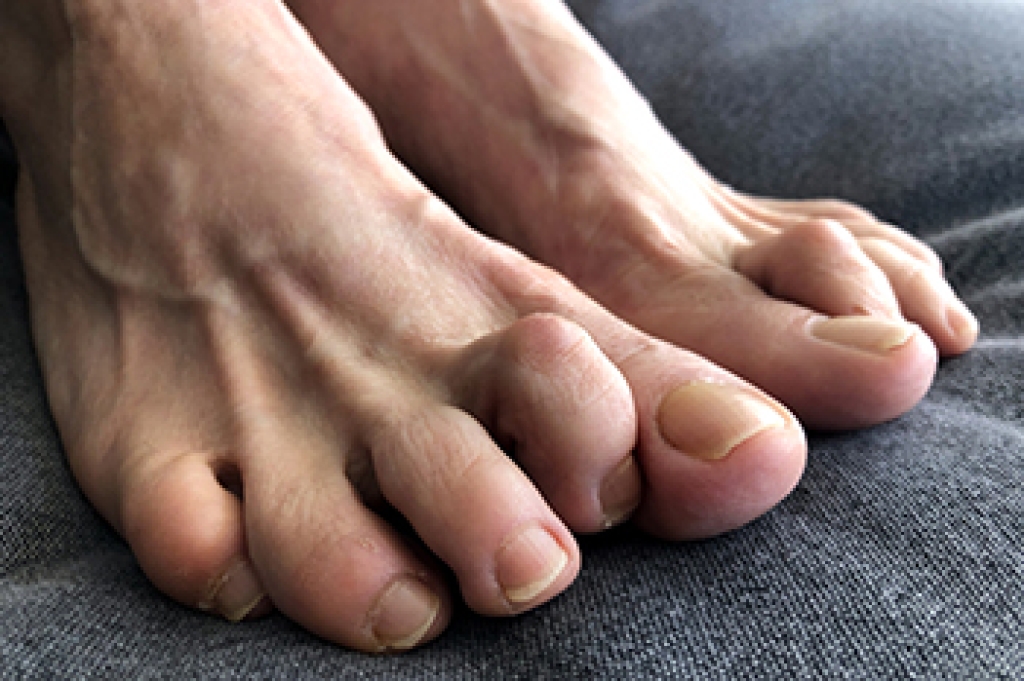
Hammertoe is a foot deformity that causes one or more of the smaller toes to bend downward at the middle joint instead of lying flat. The condition most often affects the second toe, although it can occur in other toes as well. In its early stages, the toe may still be flexible. Over time, it can become stiff and more difficult to straighten. Common symptoms include toe pain, swelling, and redness around the affected joint. Some people also develop corns or calluses because the bent toe rubs against footwear. As hammertoe progresses, walking and wearing shoes may become increasingly uncomfortable. A podiatric evaluation is important to identify the severity of the condition and recommend the most appropriate treatment.


Several factors can contribute to hammertoe, including muscle imbalance, arthritis, and previous toe injuries. Wearing shoes that place excessive pressure on the toes may also increase the risk. As the toe remains in a bent position, the surrounding muscles and tendons may tighten, making the deformity more difficult to correct. Ongoing changes in toe alignment can also affect balance and alter normal walking patterns. A thorough podiatry examination helps determine how the deformity is affecting foot function and whether other conditions are contributing to the problem. Early diagnosis allows treatment to begin before the toe becomes permanently rigid.


A podiatrist specializes in diagnosing and treating hammertoe while evaluating the overall structure and function of the foot. Professional treatment focuses on relieving discomfort, improving mobility, and slowing the progression of the deformity. Care is tailored to each patient's condition and may be adjusted as symptoms change over time. Regular follow-up visits also help monitor foot health and address new concerns before they become more serious. If hammertoe is causing pain, limiting your mobility, or making it difficult to wear shoes comfortably, it is suggested that you consult a podiatrist for an evaluation and appropriate treatment options.

Hammertoe

Hammertoes can be a painful condition to live with. For more information, contact Jim Maxka, DPM from South Penn Foot & Ankle Associates. Our doctor will answer any of your foot- and ankle-related questions.

Hammertoe is a foot deformity that affects the joints of the second, third, fourth, or fifth toes of your feet. It is a painful foot condition in which these toes curl and arch up, which can often lead to pain when wearing footwear.

Symptoms

  • Pain in the affected toes
  • Development of corns or calluses due to friction
  • Inflammation
  • Redness
  • Contracture of the toes

Causes

Genetics – People who are genetically predisposed to hammertoe are often more susceptible

Arthritis – Because arthritis affects the joints in your toes, further deformities stemming from arthritis can occur

Trauma – Direct trauma to the toes could potentially lead to hammertoe

Ill-fitting shoes – Undue pressure on the front of the toes from ill-fitting shoes can potentially lead to the development of hammertoe

Treatment

Orthotics – Custom made inserts can be used to help relieve pressure placed on the toes and therefore relieve some of the pain associated with it

Medications – Oral medications such as anti-inflammatories or NSAIDs could be used to treat the pain and inflammation hammertoes causes. Injections of corticosteroids are also sometimes used

Surgery – In more severe cases where the hammertoes have become more rigid, foot surgery is a potential option

If you have any questions, please feel free to contact our office located in Hanover, PA . We offer the newest diagnostic and treatment technologies for all your foot care needs.

Read more about Hammertoe

Reminder: When Was the Last Time...?

Custom orthotics, or shoe inserts, should be periodically replaced. Orthotics must fit properly to give you the best results. Protect your feet and ankles!

Connect With Us

Back to top