What Causes Discolored Nails?

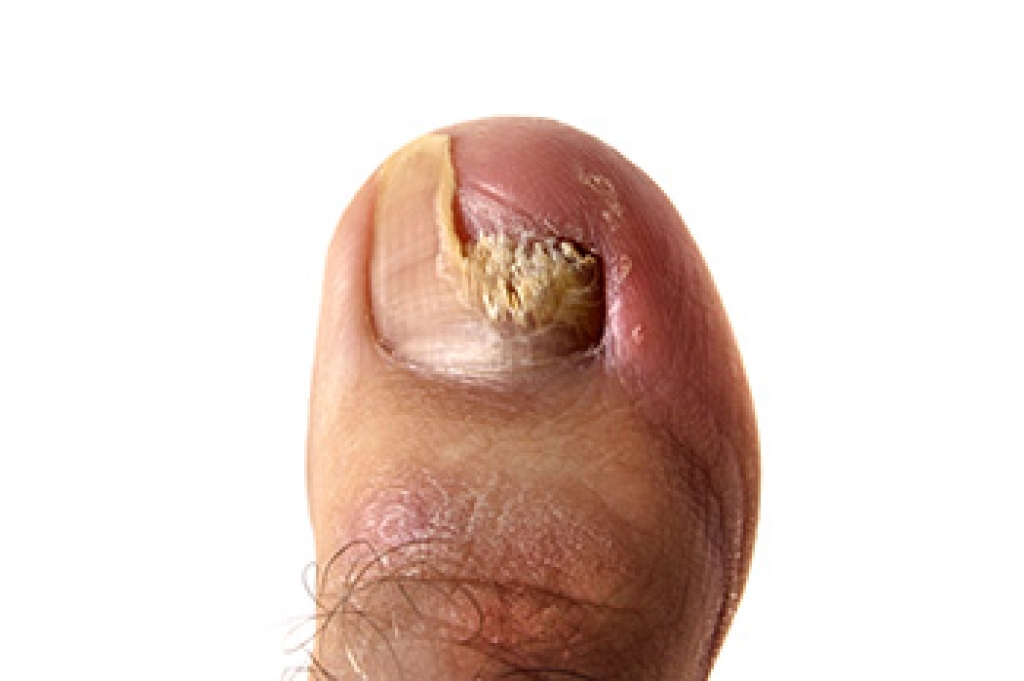
Toenail fungus can begin with a change in the color of a nail. A white or yellow spot may appear before the nail becomes thicker or brittle. The nail might crack, lift from the skin, or collect material underneath. This infection develops when fungi enter the nail or openings in nearby skin. It frequently affects the big toe or second toe. Although some people feel no discomfort, others develop pain that makes standing or walking difficult. The appearance of an infected nail can cause embarrassment. Without treatment, the infection can spread to other nails.

Toenail fungus is contagious and can pass between people through contact with infected skin or nails. Shared nail clippers and towels can carry the fungus. Warm, damp public spaces, like locker rooms and pool decks, create opportunities for exposure. Athlete's foot, a fungal infection of the skin, can spread into a toenail. Having dirty nails alone does not cause this condition. Changes in nail color do not necessarily mean a fungus is present, however. A podiatrist can examine the affected nail and collect a sample for testing to confirm the diagnosis.

Toenail fungus rarely clears without treatment because fungi can remain inside and beneath the nail. Scraping or filing the surface does not remove the infection. A podiatrist can prescribe antifungal medications applied to the nail or taken by mouth. The choice depends on the extent of infection and the patient's health. Treatment can clear the fungus before the nail looks normal again. Toenails grow slowly, so a healthy-looking big toenail may take a year or longer to return. Early diagnosis makes treatment more effective and helps prevent spread. If you have symptoms of toenail fungus, it is suggested that you schedule an appointment with a podiatrist for diagnosis and treatment.

If left untreated, toenail fungus may spread to other toenails, skin, or even fingernails. If you suspect you have toenail fungus it is important to seek treatment right away. For more information about treatment, contact Jim Maxka, DPM of South Penn Foot & Ankle Associates. Our doctor can provide the care you need to keep you pain-free and on your feet.

Symptoms

  • Warped or oddly shaped nails
  • Yellowish nails
  • Loose/separated nail
  • Buildup of bits and pieces of nail fragments under the nail
  • Brittle, broken, thickened nail

Treatment

If self-care strategies and over-the-counter medications does not help your fungus, your podiatrist may give you a prescription drug instead. Even if you find relief from your toenail fungus symptoms, you may experience a repeat infection in the future.

Prevention

In order to prevent getting toenail fungus in the future, you should always make sure to wash your feet with soap and water. After washing, it is important to dry your feet thoroughly especially in between the toes. When trimming your toenails, be sure to trim straight across instead of in a rounded shape. It is crucial not to cover up discolored nails with nail polish because that will prevent your nail from being able to “breathe”.

In some cases, surgical procedure may be needed to remove the toenail fungus. Consult with your podiatrist about the best treatment options for your case of toenail fungus.  

If you have any questions please contact our office located in Hanover, PA . We offer the newest diagnostic and treatment technologies for all your foot and ankle needs.


Read more about Treating Toenail Fungus

Diabetic Foot Blisters and Why Early Care Matters

A diabetic foot blister is a fluid-filled area that develops on the skin of the foot. A blister may form after friction from shoes, prolonged walking, or minor trauma. It can appear as a raised, smooth area filled with clear fluid. People with diabetes may be more likely to develop blisters because nerve damage, poor circulation, and repeated pressure can reduce the ability to notice irritation. Some diabetic foot blisters develop without an obvious injury and may occur on the toes, soles, or sides of the feet.

Diabetic foot blisters can look like small bubbles beneath the skin. The surrounding area may become red, swollen, or irritated. However, diabetic neuropathy can reduce sensation, so a person may not feel significant pain. Risk factors include poorly fitting footwear, reduced sensation, and circulation problems. High blood sugar can also interfere with normal wound healing. A blister that becomes infected may produce increasing redness, warmth, or an unpleasant odor. These changes require prompt medical attention because foot infections can become serious.


A podiatrist will examine the blister and surrounding skin to determine its condition. The podiatrist may check circulation, sensation, and signs of infection. Care may include protecting the area from pressure, keeping the skin clean, and using appropriate dressings. The podiatrist may also recommend footwear changes and monitor healing closely. If infection is present, additional medical treatment may be necessary. A podiatrist can also identify underlying problems that increase the chance of another blister.


Do not pop or cut open a diabetic foot blister without professional guidance. Damaging the protective skin can increase the risk of infection and delayed healing. Prompt attention can help protect healthy tissue and lower the risk of complications. If you have diabetes and have developed a foot blister, it is suggested that you are under the care of a podiatrist who can offer effective relief and treatment solutions.

Blisters are prone to making everyday activities extremely uncomfortable. If your feet are hurting, contact Jim Maxka, DPM of South Penn Foot & Ankle Associates. Our doctor can provide the care you need to keep you pain-free and on your feet.

Foot Blisters

Foot blisters develop as a result of constantly wearing tight or ill-fitting footwear. This happens due to the constant rubbing from the shoe, which can often lead to pain.

What Are Foot Blisters?

A foot blister is a small fluid-filled pocket that forms on the upper-most layer of the skin. Blisters are filled with clear fluid and can lead to blood drainage or pus if the area becomes infected.

How Do Blisters Form?

Blisters on the feet are often the result of constant friction of skin and material, usually by shoe rubbing. Walking in sandals, boots, or shoes that don’t fit properly for long periods of time can result in a blister. Having consistent foot moisture and humidity can easily lead to blister formation.

Prevention & Treatment

It is important to properly care for the affected area in order to prevent infection and ease the pain. Do not lance the blister and use a Band-Aid to provide pain relief. Also, be sure to keep your feet dry and wear proper fitting shoes. If you see blood or pus in a blister, seek assistance from a podiatrist.

If you have any questions, please feel free to contact our office located in Hanover, PA . We offer the newest diagnostic and treatment technologies for all your foot care needs.

Read more about Blisters on the Feet

Why Active Children Develop Sever’s Disease

Sever’s disease is a painful heel condition that affects growing children and teenagers. It develops when repeated stress irritates the growth plate at the back of the heel. A growth plate is an area of developing tissue near the end of a bone. During a growth spurt, the heel bone can grow faster than nearby muscles and tendons. This can create tension where the Achilles tendon attaches to the heel. Children who participate in running or jumping activities can place repeated pressure on this area, making irritation and pain more likely.

Heel pain is the main symptom of Sever’s disease. The pain can affect one heel or both heels and can become worse with physical activity. The heel can also feel tender when squeezed. Some children develop swelling or redness around the painful area. They can begin limping or walking on their toes to avoid pressure on the heel. Sports that involve frequent running and jumping can increase the risk. Tight calf muscles and a tight Achilles tendon can also place more stress on the heel. Sever’s disease does not cause permanent damage to the growth plate.

A podiatrist can evaluate heel pain and determine whether Sever’s disease is responsible for the symptoms. The examination can include checking the heel for tenderness and assessing how the foot and ankle move. A podiatrist can also evaluate walking patterns and foot structure to identify factors that place extra stress on the heel. Treatment focuses on reducing irritation and protecting the growth plate while it heals. A podiatrist can recommend activity changes, supportive devices, or appropriate stretches based on the child’s condition. Care can help relieve pain and support a safe return to normal activities. If your active child has heel pain, it is suggested that you consult a podiatrist who can accurately diagnose and offer effective relief tips for Sever's disease. 

Sever's disease often occurs in children and teens. If your child is experiencing foot or ankle pain, see Jim Maxka, DPM from South Penn Foot & Ankle Associates. Our doctor can treat your child’s foot and ankle needs.

Sever’s Disease

Sever’s disease is also known as calcaneal apophysitis, which is a medical condition that causes heel pain I none or both feet. The disease is known to affect children between the ages of 8 and 14.

Sever’s disease occurs when part of the child’s heel known as the growth plate (calcaneal epiphysis) is attached to the Achilles tendon. This area can suffer injury when the muscles and tendons of the growing foot do not keep pace with bone growth. Therefore, the constant pain which one experiences at the back of the heel will make the child unable to put any weight on the heel. The child is then forced to walk on their toes.

Symptoms

Acute pain – Pain associated with Sever’s disease is usually felt in the heel when the child engages in physical activity such as walking, jumping and or running.

Highly active – Children who are very active are among the most susceptible in experiencing Sever’s disease, because of the stress and tension placed on their feet.

If you have any questions, please feel free to contact our office located in Hanover, PA . We offer the newest diagnostic and treatment technologies for all your foot care needs.

Read more about Sever's Disease

Ankle Sprains and When to See a Podiatrist

An ankle sprain happens when the strong bands of tissue that support the ankle, called ligaments, are stretched or torn. The injury often occurs when the foot suddenly rolls inward, placing excess force on the ligaments along the outside of the ankle. A sprain can happen while playing sports, landing from a jump, or stepping on an uneven surface. Symptoms include pain, swelling, and tenderness. Patients can also have limited ankle movement or a feeling that the joint is unstable. Pain can become more noticeable when standing or putting weight on the injured foot.

Ankle sprains range from mild to severe based on the amount of ligament damage. A Grade I sprain involves slight stretching and minor damage to ligament fibers. A Grade II sprain involves a partial tear, while a Grade III sprain involves a complete tear. More serious injuries can cause greater swelling and loss of function. Some patients have difficulty walking because the ankle cannot comfortably support their weight. A previous ankle injury can also increase the risk of another sprain. Proper evaluation is important because fractures, tendon injuries, and other problems can produce symptoms that resemble an ankle sprain.

A podiatrist can examine the injured ankle and determine which tissues have been affected. The evaluation can include checking ankle movement, stability, and the patient's ability to place weight on the foot. Imaging can be recommended when a fracture or another injury is suspected. Treatment can focus on protecting the injured ligaments and restoring normal ankle function. A podiatrist can also guide patients through appropriate movement and strengthening as healing progresses. Proper care can improve stability and help reduce the risk of repeated sprains. If you have symptoms of an ankle sprain, it is suggested that you schedule an appointment with a podiatrist for diagnosis and treatment.

Although ankle sprains are common, they aren’t always minor injuries. If you need your ankle injury looked at, contact Jim Maxka, DPM from South Penn Foot & Ankle Associates. Our doctor can provide the care you need to keep you pain-free and on your feet.

How Does an Ankle Sprain Occur?

Ankle sprains are the result of a tear in the ligaments within the ankle. These injuries may happen when you make a rapid shifting movement while your foot is planted. A less common way to sprain your ankle is when your ankle rolls inward while your foot turns outward.

What Are the Symptoms?

  • Pain at the sight of the tear
  • Bruising/Swelling
  • Ankle area is tender to touch
  • In severe cases, may hear/feel something tear
  • Skin discoloration

Preventing a Sprain

  • Wearing appropriate shoes for the occasion
  • Stretching before exercises and sports
  • Knowing your limits

Treatment of a Sprain

In many cases, the RICE method (Rest, Ice, Compression, and Elevate) is used to treat ankle sprains. However, you should see a podiatrist to see which treatment option would work best with your injury. In severe cases, surgery may be required.

It is important to ask your doctor about rehab options after you receive treatment for your injury. Stretching, strength training, and balance exercises may help the ankle heal while also preventing further injury.

If you have any questions, please feel free to contact our office located in Hanover, PA . We offer the newest diagnostic and treatment technologies for all your foot care needs.

Read more about Ankle Sprains

Heel Pain Can Be Treated!

Do you suffer from heel pain when you get up in the morning? If so, you should seek professional help and have a proper diagnosis performed. Heel pain can be caused by several different foot-related conditions.

Connect With Us

Back to top