The Importance of Preventing Running Injuries

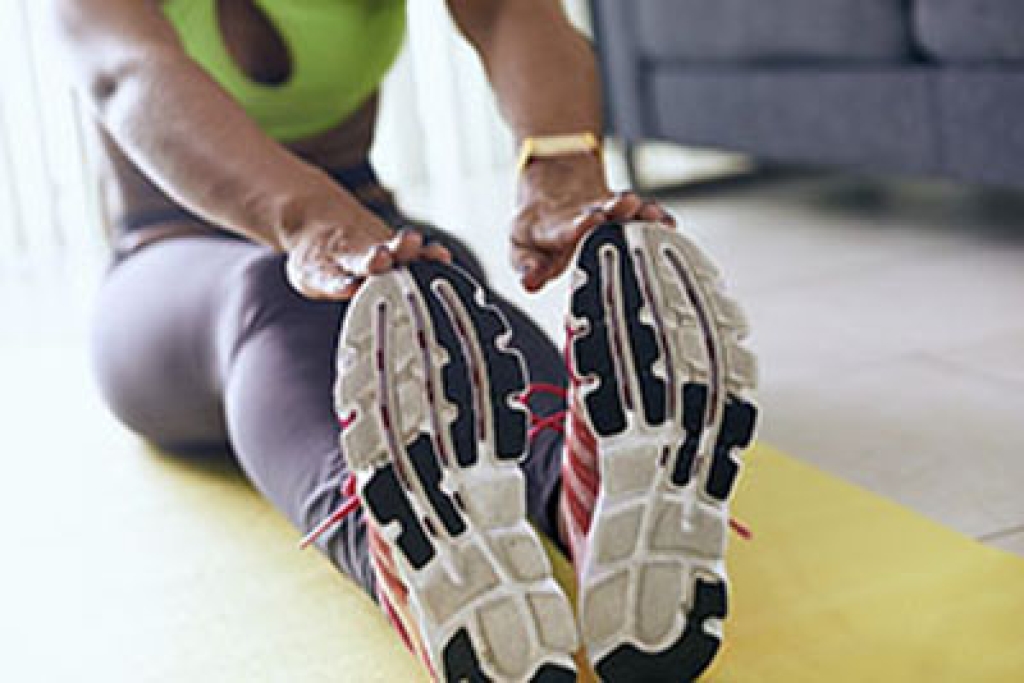
A painful foot injury can take the joy out of running. It can happen suddenly, or develop gradually, and may never completely disappear. There are methods that may help to prevent running injuries from occurring. These can consist of performing stretches and exercises that can keep the body strong. Research has indicated it is beneficial to have strong glute muscles, and this a critical factor in maintaining strength and power while running. Additionally, muscle soreness may be diminished when foam rolling is implemented, and this may also help to improve range of motion. When running shoes are purchased, it is important to choose shoes that fit correctly, and support your body as the miles are increased. If you would like to learn about additional stretches that can help to prevent running injuries, please consult with a podiatrist.

All runners should take extra precaution when trying to avoid injury. If you have any concerns about your feet, contact Jim Maxka, DPM of South Penn Foot & Ankle Associates. Our doctor will treat your foot and ankle needs.

How to Prevent Running Injuries

There are a lot of mistakes a runner can make prior to a workout that can induce injury. A lot of athletes tend to overstretch before running, instead of saving those workouts for a post-run routine. Deep lunges and hand-to-toe hamstring pulls should be performed after a workout instead of during a warmup. Another common mistake is jumping into an intense routine before your body is physically prepared for it. You should try to ease your way into long-distance running instead of forcing yourself to rush into it.

More Tips for Preventing Injury

  • Incorporate Strength Training into Workouts - This will help improve the body’s overall athleticism
  • Improve and Maintain Your Flexibility – Stretching everyday will help improve overall performance
  • “Warm Up” Before Running and “Cool Down” Afterward – A warm up of 5-10 minutes helps get rid of lactic acid in the muscles and prevents delayed muscle soreness
  • Cross-Training is Crucial
  • Wear Proper Running Shoes
  • Have a Formal Gait Analysis – Poor biomechanics can easily cause injury

If you have any questions, please feel free to contact our office located in Hanover, PA . We offer the newest diagnostic and treatment technologies for all your foot care needs.
Read more about Preventing Running Injuries

Are Bunions Affecting Your Everyday Life?

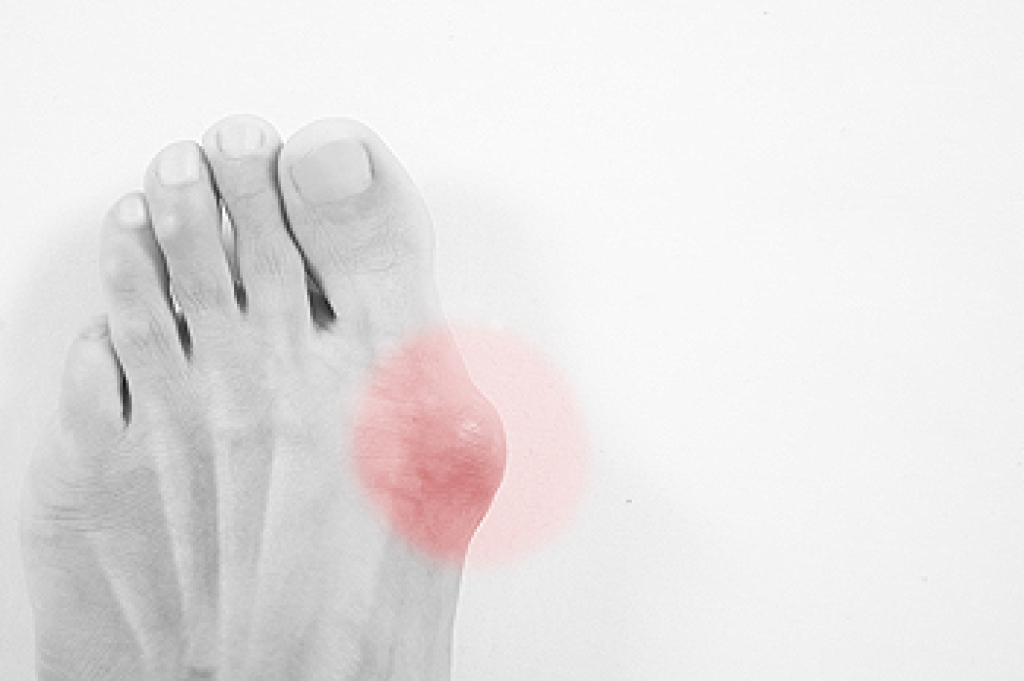
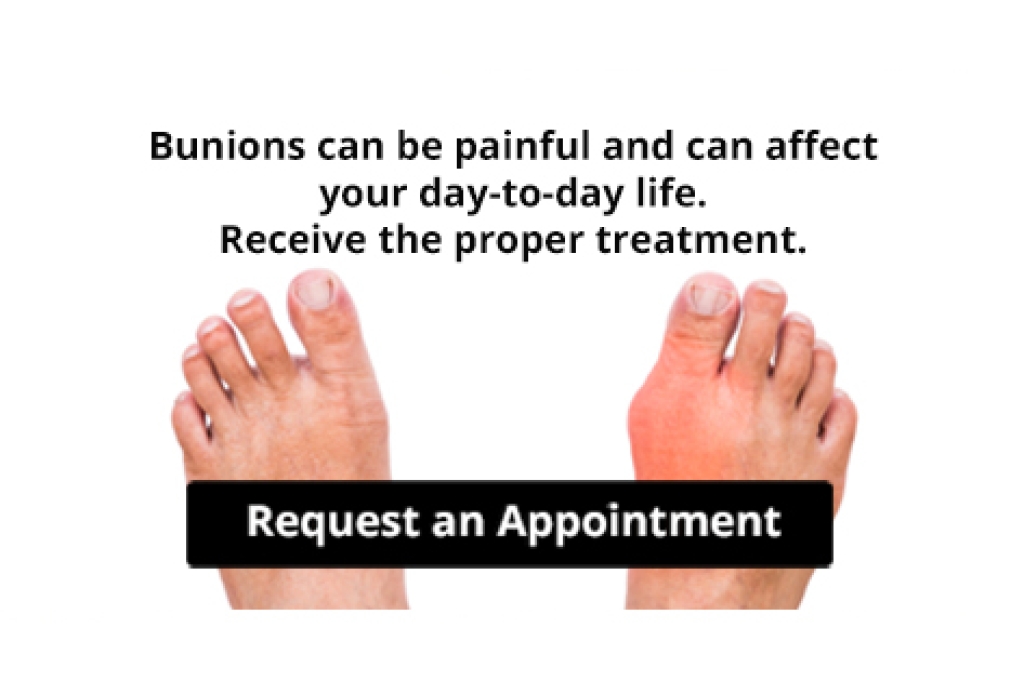
Have you noticed a bony protrusion on the side of your big toe? If so, you may have developed the foot condition known as a bunion. Don't let bunions interfere with your daily activities.

The Importance of Stretching Your Feet

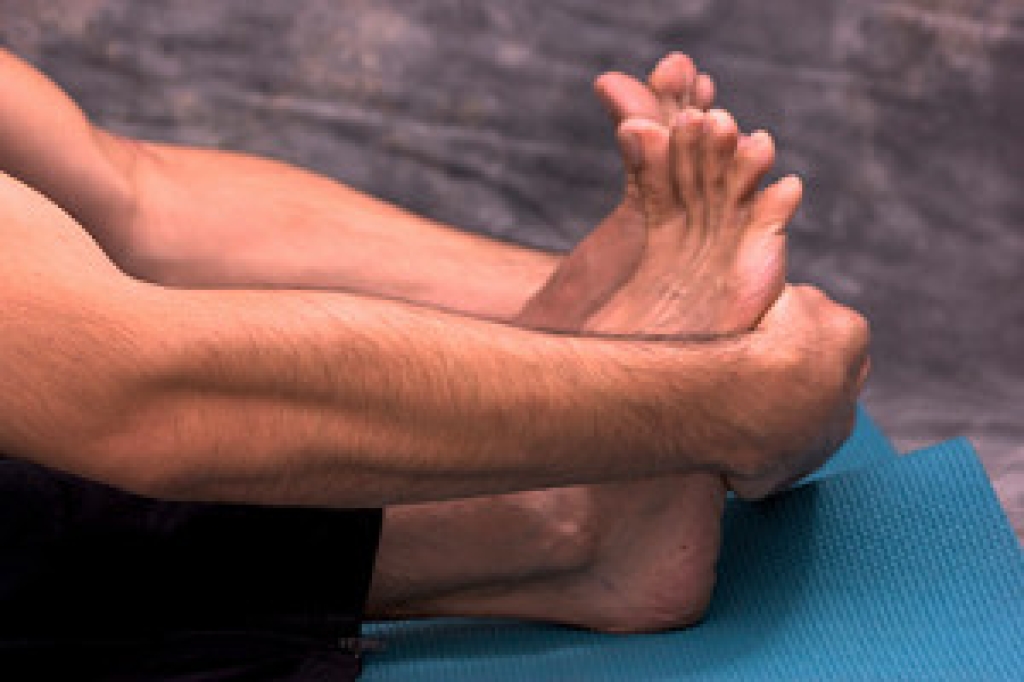
Because the feet are the foundation of the body, and carry your weight on a day to day basis, it is important to make sure you are keeping the muscles strong. To help maintain a healthy, strong foot structure, it is recommended that you perform foot stretches. One simple exercise you can practice consists of sitting on the floor with your legs stretched out and wrapping a towel around the balls of your feet. Once comfortable, begin pulling your toes towards your body while keeping your knees straight, and repeating this motion 3 times for each foot, while holding for 30 seconds. Another exercise you can practice to build strength involves sitting in a chair, and with your heel on the ground, picking up a towel with your toes. Adding these simple exercises to your daily routine can help benefit the overall health of  your feet. If you would like more ideas on how to stretch the feet, we suggest you speak with a podiatrist for professional tips and recommendations.

Stretching the feet is a great way to prevent injuries. If you have any concerns with your feet consult with Jim Maxka, DPM from South Penn Foot & Ankle Associates. Our doctor will assess your condition and provide you with quality foot and ankle treatment.

Stretching the Feet

Stretching the muscles in the foot is an important part in any physical activity. Feet that are tight can lead to less flexibility and make you more prone to injury. One of the most common forms of foot pain, plantar fasciitis, can be stretched out to help ease the pain. Stretching can not only ease pain from plantar fasciitis but also prevent it as well. However, it is important to see a podiatrist first if stretching is right for you. Podiatrists can also recommend other ways to stretch your feet. Once you know whether stretching is right for you, here are some excellent stretches you can do.

  • Using a foam roller or any cylindrical object (a water bottle or soda can will do), roll the object under your foot back and forth. You should also exert pressure on the object. Be sure to do this to both feet for a minute. Do this exercise three times each.
  • Similar to the previous one, take a ball, such as a tennis ball, and roll it under your foot while seated and exert pressure on it.
  • Grab a resistance band or towel and take a seat. If you are using a towel, fold it length wise. Next put either one between the ball of your foot and heel and pull with both hands on each side towards you. Hold this for 15 seconds and then switch feet. Do this three times for each foot.
  • Finally hold your big toe while crossing one leg over the other. Pull the toe towards you and hold for 15 seconds. Once again do this three times per foot.

It is best to go easy when first stretching your foot and work your way up. If your foot starts hurting, stop exercising and ice and rest the foot. It is advised to then see a podiatrist for help.

If you have any questions please contact our office located in Hanover, PA . We offer the newest diagnostic and treatment technologies for all your foot and ankle needs.

Read more about Stretching Your Feet

What Is Athlete’s Foot?

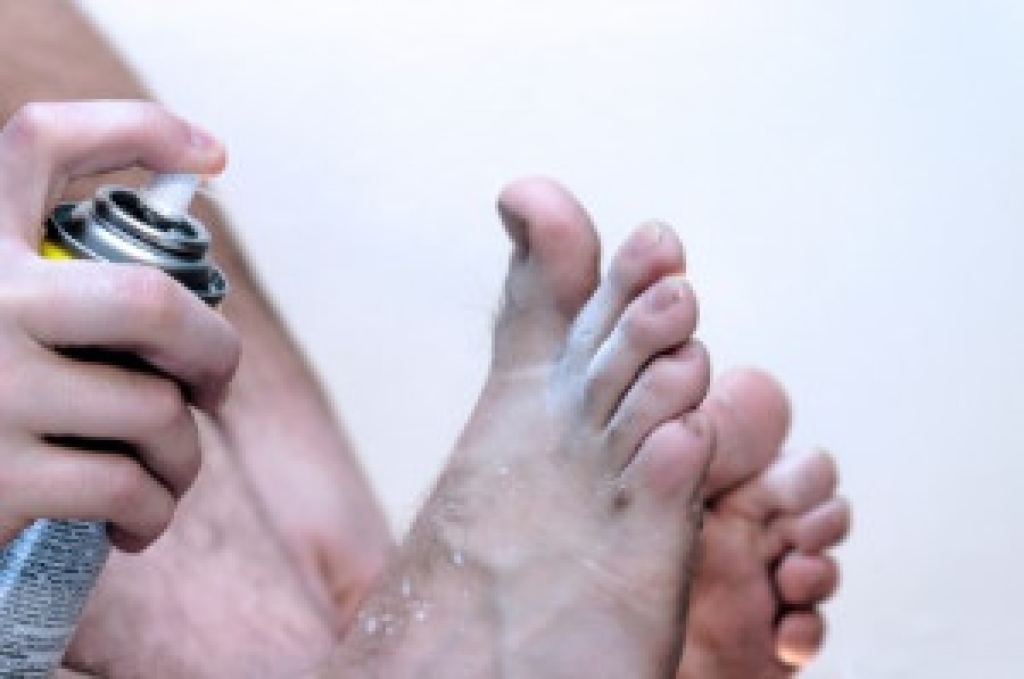
The medical condition that is known as athlete’s foot can cause pain and discomfort. It is considered to be a fungal infection of the skin, and generally affects the bottom of the foot and the area between the toes. Some of the symptoms that are associated with this condition can consist of itchy skin, red patches, and in severe cases, small blisters may form on the foot. If the infection is relatively mild, using a foot powder may relieve a portion of the symptoms. There are methods that can be taken which may help to prevent athlete’s foot. These can include washing and drying the feet regularly, and wearing appropriate shoes while in public swimming pools and surrounding areas. Additionally, it is beneficial to wear shoes and socks that are made of breathable materials. For severe infections, it is advised that you consult with a podiatrist who can prescribe medication that is needed for relief.

Athlete’s foot is an inconvenient condition that can be easily reduced with the proper treatment. If you have any concerns about your feet and ankles, contact Jim Maxka, DPM from South Penn Foot & Ankle Associates.  Our doctor will treat your foot and ankle needs.

Athlete’s Foot: The Sole Story

Athlete's foot, also known as tinea pedis, can be an extremely contagious foot infection. It is commonly contracted in public changing areas and bathrooms, dormitory style living quarters, around locker rooms and public swimming pools, or anywhere your feet often come into contact with other people.

Solutions to Combat Athlete’s Foot

  • Hydrate your feet by using lotion
  • Exfoliate
  • Buff off nails
  • Use of anti-fungal products
  • Examine your feet and visit your doctor if any suspicious blisters or cuts develop

Athlete’s foot can cause many irritating symptoms such as dry and flaking skin, itching, and redness. Some more severe symptoms can include bleeding and cracked skin, intense itching and burning, and even pain when walking. In the worst cases, Athlete’s foot can cause blistering as well. Speak to your podiatrist for a better understanding of the different causes of Athlete’s foot, as well as help in determining which treatment options are best for you.

If you have any questions please feel free to contact our office located in Hanover, PA . We offer the newest diagnostic and treatment technologies for all your foot and ankle needs.

Read more about How to Deal with Athlete's Foot

Possible Causes of Bunions

A protruding bone at the base of the big toe is considered to be a deformity, and is referred to as a bunion. A common symptom of this condition consists of the big toe leaning in the direction of the other toes. This can force the bone to extend in the other direction. Genetics may play a significant role in developing a bunion, in addition to wearing shoes that do not have adequate room for the toes to move freely in. Existing medical conditions may contribute to the onset of a bunion, including gout and rheumatoid arthritis. Patients have found mild relief when a pad is worn over the bunion, which may help to prevent calluses from forming on top of it. For severe bunions, surgery may be necessary for permanent removal. If you are developing a bunion, it is advised that you are under the care of a podiatrist who can begin to promptly treat this condition.

If you are suffering from bunion pain, contact Jim Maxka, DPM of South Penn Foot & Ankle Associates. Our doctor can provide the care you need to keep you pain-free and on your feet.

What Is a Bunion?

Bunions are painful bony bumps that usually develop on the inside of the foot at the joint of the big toe. As the deformity increases over time, it may become painful to walk and wear shoes. Women are more likely to exacerbate existing bunions since they often wear tight, narrow shoes that shift their toes together. Bunion pain can be relieved by wearing wider shoes with enough room for the toes.

Causes

  • Genetics – some people inherit feet that are more prone to bunion development
  • Inflammatory Conditions - rheumatoid arthritis and polio may cause bunion development

Symptoms

  • Redness and inflammation
  • Pain and tenderness
  • Callus or corns on the bump
  • Restricted motion in the big toe

In order to diagnose your bunion, your podiatrist may ask about your medical history, symptoms, and general health. Your doctor might also order an x-ray to take a closer look at your feet. Nonsurgical treatment options include orthotics, padding, icing, changes in footwear, and medication. If nonsurgical treatments don’t alleviate your bunion pain, surgery may be necessary.

If you have any questions, please feel free to contact our office located in Hanover, PA . We offer the newest diagnostic and treatment technologies for all your foot care needs.
Read more about Bunions

Connect With Us

Back to top