
Recovering From a Broken Ankle

Suffering from a broken ankle is an unfortunate reality that some individuals might have to face at some point in their lives. Broken, or fractured, ankles occur when a person twists or rolls their ankle joint, putting their weight on the ankle in an awkward way that leads to injury. Broken ankles can also occur after a heavy object is dropped on the ankle. If you have a broken ankle, you might experience a range of symptoms from pain and swelling at the affected joint to bruising and tenderness. In less serious instances, broken ankles may be treated with braces or casts. In more severe cases, broken ankles can be treated with surgical procedures. Recovery time for a broken ankle varies according to the specific case. Generally speaking, recovery can take anywhere from six to 12 weeks, and possibly longer. When individuals are recovering from this kind of injury, they typically can not put weight on their feet, and must therefore use a mobility device such as crutches. If you have a broken or fractured ankle, it is imperative that you contact a podiatrist who can help you address the problem.

Broken ankles need immediate treatment. If you are seeking treatment, contact Jim Maxka, DPM from South Penn Foot & Ankle Associates. Our doctor can provide the care you need to keep you pain-free and on your feet. 

Broken Ankles
A broken ankle is experienced when a person fractures their tibia or fibula in the lower leg and ankle area. Both of these bones are attached at the bottom of the leg and combine to form what we know to be our ankle.

When a physician is referring to a break of the ankle, he or she is usually referring to a break in the area where the tibia and fibula are joined to create our ankle joint. Ankles are more prone to fractures because the ankle is an area that suffers a lot of pressure and stress. There are some obvious signs when a person experiences a fractured ankle, and the following symptoms may be present.

Symptoms of a Fractured Ankle

  • Excessive pain when the area is touched or when any pressure is placed on the ankle
  • Swelling around the area
  • Bruising of the area
  • Area appears to be deformed

If you suspect an ankle fracture, it is recommended to seek treatment as soon as possible. The sooner you have your podiatrist diagnose the fracture, the quicker you’ll be on the way towards recovery.

If you have any questions, please feel free to contact our office located in Hanover, PA . We offer the newest diagnostic and treatment technologies for all your foot care needs.
Read more about All About Broken Ankles

Why Does Gout Develop?

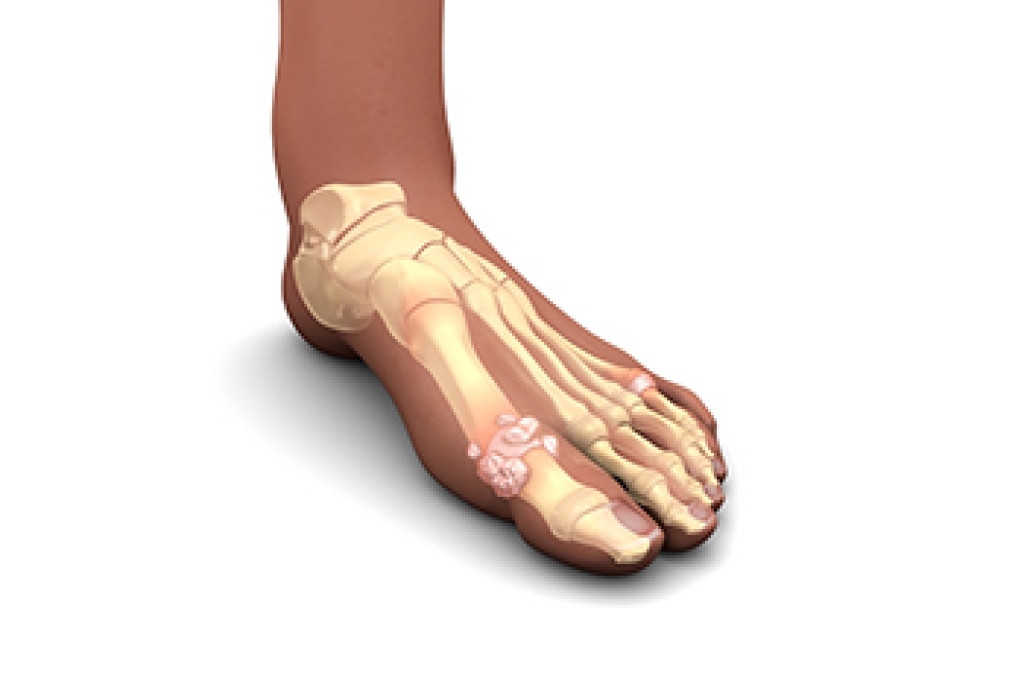
A form of arthritis known as gout can cause severe pain and discomfort and many people have difficulty in walking. Gout develops because of excess uric acid in the blood and may result from genetic factors or eating foods that have high levels of purines. These foods can include shellfish, red meat, alcohol, or drinks that are made with large amounts of sugar. This can cause crystals to develop in the joints of the big toe and may cause debilitating pain as well as redness and swelling. For many people, maintaining a healthy eating regimen can limit the number of gout attacks. It can help to drink plenty of fresh water daily and to engage in a gentle stretching and exercise program. It is beneficial to find out why they may be recurring and learn about methods to control them. If you have gout, it is strongly advised that you are under the care of a podiatrist who can guide you toward correct treatment options and educate you about effective preventive methods.

Gout is a foot condition that requires certain treatment and care. If you are seeking treatment, contact Jim Maxka, DPM from South Penn Foot & Ankle Associates. Our doctor will treat your foot and ankle needs.

What Is Gout?

Gout is a type of arthritis caused by a buildup of uric acid in the bloodstream. It often develops in the foot, especially the big toe area, although it can manifest in other parts of the body as well. Gout can make walking and standing very painful and is especially common in diabetics and the obese.

People typically get gout because of a poor diet. Genetic predisposition is also a factor. The children of parents who have had gout frequently have a chance of developing it themselves.

Gout can easily be identified by redness and inflammation of the big toe and the surrounding areas of the foot. Other symptoms include extreme fatigue, joint pain, and running high fevers. Sometimes corticosteroid drugs can be prescribed to treat gout, but the best way to combat this disease is to get more exercise and eat a better diet.

If you have any questions, please feel free to contact our office located in Hanover, PA . We offer the newest diagnostic and treatment technologies for all your foot care needs.

Read more about Gout

Plantar Fasciitis and Basketball

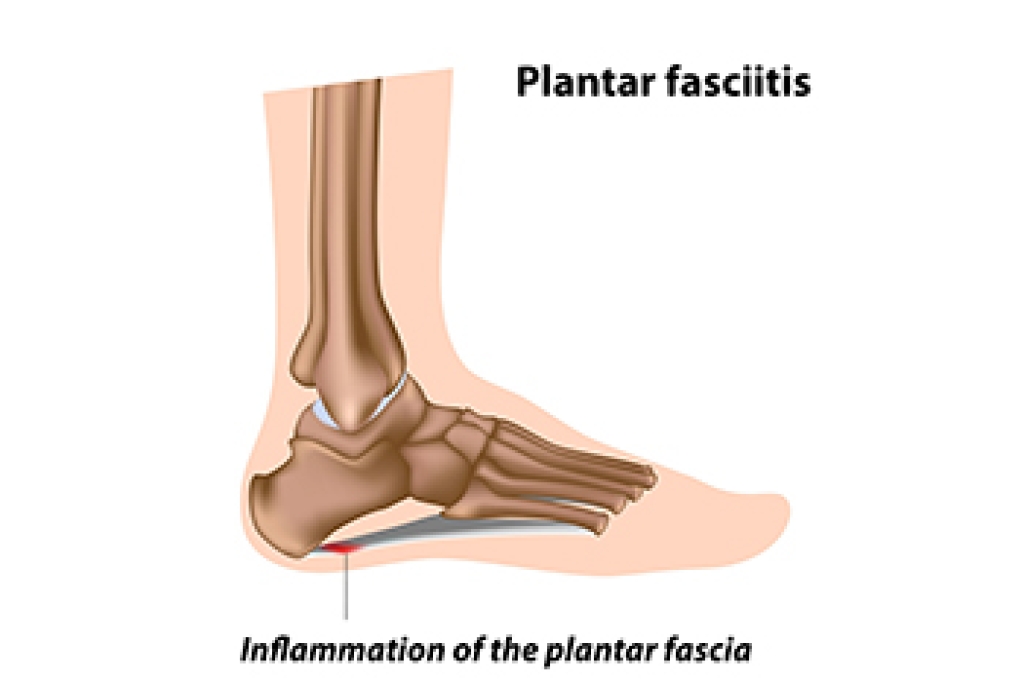
Plantar fasciitis affects individuals across the country, causing them heel and foot pain. Basketball players, both professional and recreational, are no exception. There are many important ways in which playing basketball can put an individual at risk of developing a condition like plantar fasciitis. Plantar fasciitis occurs when the plantar fascia, the band of tissue running from the heel to the base of the toes, becomes inflamed in response to repeated pressure on the arch of the foot. Individuals with this condition might feel sharp, stabbing pains when beginning to put weight on their feet after prolonged periods of rest. What puts some basketball players at risk is the unique physical demands of the sport. Namely, throughout a game, a basketball player must constantly accelerate and decelerate rapidly. This can cause strain on the feet. Basketball players must also frequently jump to high heights, landing on hard floor surfaces. Basketball also requires a large amount of running, as players can run up and down the court a minimum of 50 times during one game. These game-specific demands on an athlete can ultimately cause them to exert a great degree of pressure on their feet, which might lead to plantar fasciitis. If you are a basketball player, consider contacting a podiatrist to learn more about this condition.

Plantar fasciitis can be very painful and inconvenient. If you are experiencing heel pain or symptoms of plantar fasciitis, contact Jim Maxka, DPM  from South Penn Foot & Ankle Associates. Our doctor can provide the care you need to keep you pain-free and on your feet.

What Is Plantar Fasciitis?

Plantar fasciitis is the inflammation of the thick band of tissue that runs along the bottom of your foot, known as the plantar fascia, and causes mild to severe heel pain.

What Causes Plantar Fasciitis?

  • Excessive running
  • Non-supportive shoes
  • Overpronation
  • Repeated stretching and tearing of the plantar fascia

How Can It Be Treated?

  • Conservative measures – anti-inflammatories, ice packs, stretching exercises, physical therapy, orthotic devices
  • Shockwave therapy – sound waves are sent to the affected area to facilitate healing and are usually used for chronic cases of plantar fasciitis
  • Surgery – usually only used as a last resort when all else fails. The plantar fascia can be surgically detached from the heel

While very treatable, plantar fasciitis is definitely not something that should be ignored. Especially in severe cases, speaking to your doctor right away is highly recommended to avoid complications and severe heel pain. Your podiatrist can work with you to provide the appropriate treatment options tailored to your condition.

If you have any questions, please feel free to contact our office located in Hanover, PA . We offer the newest diagnostic and treatment technologies for all your foot care needs.

Read more about Plantar Fasciitis

Are You Suffering From Ingrown Toenails?

If left untreated, an ingrown toenail can lead to more serious concerns, such as an infection. Knowing proper nail care can help in the prevention of an ingrown toenail. Give us a call, and get treated!

Larger Feet During Pregnancy

Pregnant women will notice that as their body undergoes a series of changes throughout their pregnancy, their feet might feel different as well. One change that pregnant women may notice in their feet is that the size of their feet may increase anywhere from half a shoe size to a full shoe size. There are several potential explanations for increasing foot size. First, swelling of the feet and legs is typical for pregnant women. Second, as a woman carries her baby to term she may gain a significant amount of weight. This dramatic increase in weight can exert pressure on the woman’s feet, causing them to spread wider when she stands. Pregnant women might also notice their arches becoming flattened and longer. Third, a pregnant women may experience a larger foot size because she produces the hormone relaxin, which can loosen ligaments in the foot causing them to expand. Consequently, the foot expands as well. Although it is unclear whether you can prevent your feet from expanding during your pregnancy there are steps that you can take to mitigate swelling in your feet and legs. For example, drinking large quantities of water and elevating your feet while sitting can help to improve blood circulation in your feet. If you are pregnant or plan to be, it may be a good idea to contact a podiatrist who can help you maintain proper foot health.

Pregnant women with swollen feet can be treated with a variety of different methods that are readily available. For more information about other cures for swollen feet during pregnancy, consult with Jim Maxka, DPM from South Penn Foot & Ankle Associates. Our doctor will attend to all of your foot and ankle needs.

What Foot Problems Can Arise During Pregnancy?

One problem that can occur is overpronation, which occurs when the arch of the foot flattens and tends to roll inward.  This can cause pain and discomfort in your heels while you’re walking or even just standing up, trying to support your baby.  

Another problem is edema, or swelling in the extremities. This often affects the feet during pregnancy but tends to occur in the later stages. 

How Can I Keep My Feet Healthy During Pregnancy?

  • Wearing orthotics can provide extra support for the feet and help distribute weight evenly
  • Minimize the amount of time spent walking barefoot
  • Wear shoes with good arch support
  • Wear shoes that allow for good circulation to the feet
  • Elevate feet if you experience swelling
  • Massage your feet
  • Get regular, light exercise, such as walking, to promote blood circulation to the feet

If you have any questions, please feel free to contact our office located in Hanover, PA . We offer the newest diagnostic and treatment technologies for all your foot care needs.

Read more about Foot Care for Pregnant Women

Connect With Us

Back to top