
Choosing the Right Shoes for 1st Walkers

Selecting proper shoes for children between 12 and 24 months is important as they begin walking and developing balance. First walker shoes should provide protection while allowing natural foot movement. Qualities to look for include a sturdy leather upper that offers support, and easy closures such as velcro for a secure fit. Additional things to look for are a flexible outsole that bends with the foot, and a roomy toe box that allows toes to spread comfortably. Shoes that are too tight or stiff can interfere with proper development and cause discomfort. A podiatrist can assess foot growth, ensure proper fit, and recommend appropriate footwear for healthy development. Early guidance helps support strong and stable walking patterns. If you have concerns about what type of shoes your child should wear, it is suggested that you consult a podiatrist who can guide you in the right direction.

Making sure that your children maintain good foot health is very important as they grow. If you have any questions, contact Jim Maxka, DPM of South Penn Foot & Ankle Associates. Our doctor can provide the care you need to keep you pain-free and on your feet.

Keeping Children's Feet Healthy

Having healthy feet during childhood can help prevent medical problems later in life, namely in the back and legs. As children grow, their feet require different types of care. Here are some things to consider...

Although babies do not walk yet, it is still very important to take care of their feet.

Avoid putting tight shoes or socks on his or her feet.

Allow the baby to stretch and kick his or her feet to feel comfortable.

As a toddler, kids are now on the move and begin to develop differently. At this age, toddlers are getting a feel for walking, so don’t be alarmed if your toddler is unsteady or ‘walks funny’. 

As your child gets older, it is important to teach them how to take care of their feet.

Show them proper hygiene to prevent infections such as fungus.

Be watchful for any pain or injury.

Have all injuries checked by a doctor as soon as possible.

Comfortable, protective shoes should always be worn, especially at play.

If you have any questions, please feel free to contact our office located in Hanover, PA . We offer the newest diagnostic and treatment technologies for all your foot care needs.

Read more about What to Do to Keep Your Child’s Feet Healthy

What Causes Heel Spurs?

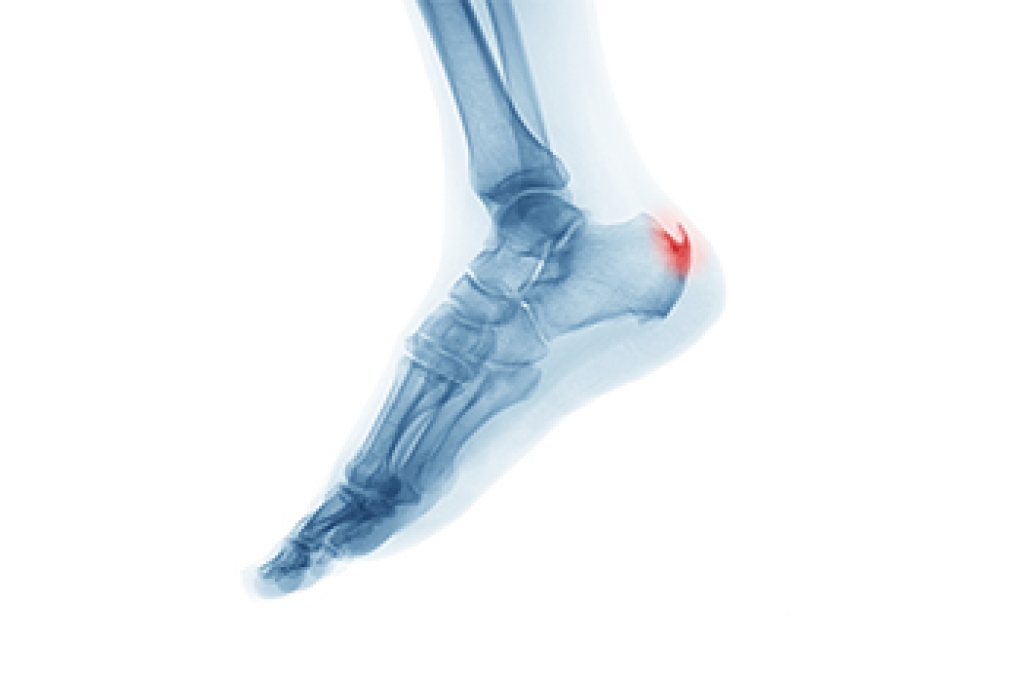
A heel spur is a bony growth that develops on the underside of the heel, often associated with inflammation of the foot muscles and ligaments. It commonly forms over time due to repetitive stress and strain on the plantar fascia, the strong band of tissue running from the heels to the toes. Symptoms include heel pain that may feel sharp or aching and is often worse after periods of rest or when first standing. Risk factors include high impact activities, sudden increases in exercise intensity, wearing improper footwear, and prolonged standing. Without proper care, discomfort may persist and affect mobility. A podiatrist can help by diagnosing the condition, reducing inflammation, and recommending supportive treatments. If you have heel pain and it has become difficult to complete daily activities, it is suggested that you consult a podiatrist who can guide you toward effective relief solutions.

Heel spurs can be incredibly painful and sometimes may make you unable to participate in physical activities. To get medical care for your heel spurs, contact Jim Maxka, DPM from South Penn Foot & Ankle Associates. Our doctor will do everything possible to treat your condition.

Heels Spurs

Heel spurs are formed by calcium deposits on the back of the foot where the heel is. This can also be caused by small fragments of bone breaking off one section of the foot, attaching onto the back of the foot. Heel spurs can also be bone growth on the back of the foot and may grow in the direction of the arch of the foot.

Older individuals usually suffer from heel spurs and pain sometimes intensifies with age. One of the main condition's spurs are related to is plantar fasciitis.

Pain

The pain associated with spurs is often because of weight placed on the feet. When someone is walking, their entire weight is concentrated on the feet. Bone spurs then have the tendency to affect other bones and tissues around the foot. As the pain continues, the feet will become tender and sensitive over time.

Treatments

There are many ways to treat heel spurs. If one is suffering from heel spurs in conjunction with pain, there are several methods for healing. Medication, surgery, and herbal care are some options.

If you have any questions, please feel free to contact our office located in Hanover, PA . We offer the newest diagnostic and treatment technologies for all your foot care needs.
Read more about Heel Spurs

Steps That Help Relieve Plantar Fasciitis Pain

Plantar fasciitis is a common cause of heel pain that occurs when the thick band of tissue along the bottom of the foot becomes irritated. Many people notice sharp pain with the first steps in the morning or after periods of rest. Treatment focuses on reducing strain and allowing the tissue to recover. Simple changes such as wearing supportive shoes, avoiding walking barefoot, and modifying daily activity can make a meaningful difference. Stretching the calf and arch can also help improve flexibility and reduce tension. In some cases, custom orthotics or night splints are used to provide added support and maintain proper positioning during rest. When symptoms persist, additional options, such as injections or surgery, may be recommended to address inflammation and promote healing. Early care often leads to better outcomes and prevents the condition from becoming long-lasting. If heel pain continues, it is suggested that you see a podiatrist for a proper diagnosis and appropriate treatment.

Plantar fasciitis can be very painful and inconvenient. If you are experiencing heel pain or symptoms of plantar fasciitis, contact Jim Maxka, DPM  from South Penn Foot & Ankle Associates. Our doctor can provide the care you need to keep you pain-free and on your feet.

What Is Plantar Fasciitis?

Plantar fasciitis is the inflammation of the thick band of tissue that runs along the bottom of your foot, known as the plantar fascia, and causes mild to severe heel pain.

What Causes Plantar Fasciitis?

  • Excessive running
  • Non-supportive shoes
  • Overpronation
  • Repeated stretching and tearing of the plantar fascia

How Can It Be Treated?

  • Conservative measures – anti-inflammatories, ice packs, stretching exercises, physical therapy, orthotic devices
  • Shockwave therapy – sound waves are sent to the affected area to facilitate healing and are usually used for chronic cases of plantar fasciitis
  • Surgery – usually only used as a last resort when all else fails. The plantar fascia can be surgically detached from the heel

While very treatable, plantar fasciitis is definitely not something that should be ignored. Especially in severe cases, speaking to your doctor right away is highly recommended to avoid complications and severe heel pain. Your podiatrist can work with you to provide the appropriate treatment options tailored to your condition.

If you have any questions, please feel free to contact our office located in Hanover, PA . We offer the newest diagnostic and treatment technologies for all your foot care needs.

Read more about Plantar Fasciitis

Small Growths Can Cause Big Discomfort

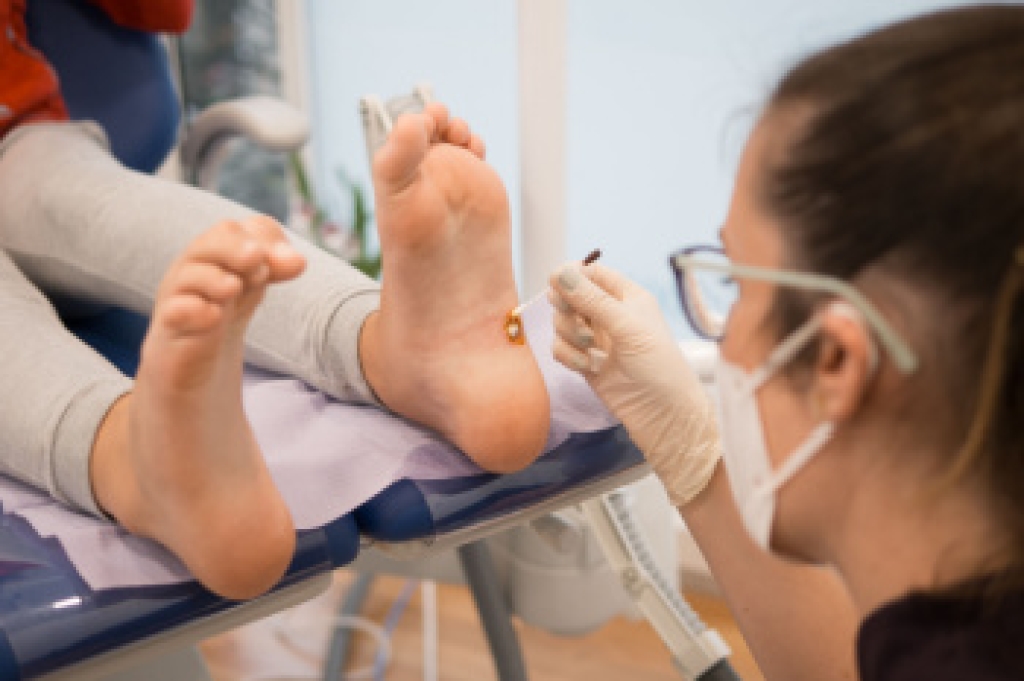
Plantar warts are growths that develop on the bottom of the foot due to a viral infection in the skin. They often appear as small, rough areas with tiny black dots and may feel tender when walking or standing. Unlike other warts, they can grow inward because of pressure from body weight, creating a sensation similar to stepping on a pebble. The virus thrives in warm, moist environments, so it is commonly spread in locker rooms, around pools, or shared surfaces. A podiatrist can identify plantar warts through examination and may gently trim the area to reduce pressure and confirm the diagnosis. Treatment options include topical medications, freezing, or other in-office procedures designed to remove the wart and reduce recurrence. Early care can help prevent spread and discomfort. If you have plantar warts, it is suggested that you make an appointment with a podiatrist. 

Plantar warts can be very uncomfortable. If you need your feet checked, contact Jim Maxka, DPM from South Penn Foot & Ankle Associates. Our doctor will assist you with all of your foot and ankle needs.

About Plantar Warts

Plantar warts are the result of HPV, or human papillomavirus, getting into open wounds on the feet. They are mostly found on the heels or balls of the feet.

While plantar warts are generally harmless, those experiencing excessive pain or those suffering from diabetes or a compromised immune system require immediate medical care. Plantar warts are easily diagnosed, usually through scraping off a bit of rough skin or by getting a biopsy.

Symptoms

  • Lesions on the bottom of your feet, usually rough and grainy
  • Hard or thick callused spots
  • Wart seeds, which are small clotted blood vessels that look like little black spots
  • Pain, discomfort, or tenderness of your feet when walking or standing

Treatment

  • Freezing
  • Electric tool removal
  • Laser Treatment
  • Topical Creams (prescription only)
  • Over-the-counter medications

To help prevent developing plantar warts, avoid walking barefoot over abrasive surfaces that can cause cuts or wounds for HPV to get into. Avoiding direct contact with other warts, as well as not picking or rubbing existing warts, can help prevent the further spread of plantar warts. However, if you think you have developed plantar warts, speak to your podiatrist. He or she can diagnose the warts on your feet and recommend the appropriate treatment options.

If you have any questions, please feel free to contact our office located in Hanover, PA . We offer the newest diagnostic and treatment technologies for all your foot care needs.

Read more about What Are Plantar Warts?

Are You Suffering From Ingrown Toenails?

If left untreated, an ingrown toenail can lead to more serious concerns, such as an infection. Knowing proper nail care can help in the prevention of an ingrown toenail. Give us a call, and get treated!

Connect With Us

Back to top