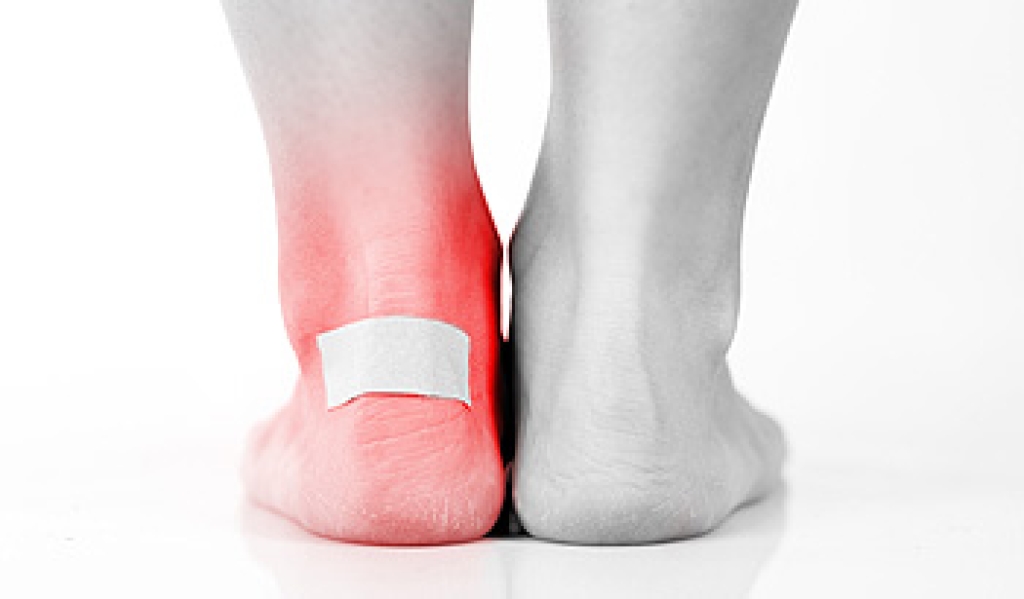
What Caused My Foot Blister?

A blister on your foot is usually the result of friction from your shoes or socks rubbing against a concentrated area of skin and causing the top layer of skin to separate from the layers beneath it. Although they can be painful, red, and swollen, friction blisters usually heal without medical intervention. But not all blisters are caused by friction. Severe burns and sunburns may produce blisters. Contact dermatitis, caused by a foreign substance irritating the skin, is another common cause of blisters. Certain skin conditions, such as chickenpox and eczema, may also result in foot blisters. If you have blisters on your feet and are unsure of the cause, or if your blisters are painful and not improving over time, please consult with a podiatrist. 

Blisters are prone to making everyday activities extremely uncomfortable. If your feet are hurting, contact Jim Maxka, DPM of South Penn Foot & Ankle Associates. Our doctor can provide the care you need to keep you pain-free and on your feet.

Foot Blisters

Foot blisters develop as a result of constantly wearing tight or ill-fitting footwear. This happens due to the constant rubbing from the shoe, which can often lead to pain.

What Are Foot Blisters?

A foot blister is a small fluid-filled pocket that forms on the upper-most layer of the skin. Blisters are filled with clear fluid and can lead to blood drainage or pus if the area becomes infected.

How Do Blisters Form?

Blisters on the feet are often the result of constant friction of skin and material, usually by shoe rubbing. Walking in sandals, boots, or shoes that don’t fit properly for long periods of time can result in a blister. Having consistent foot moisture and humidity can easily lead to blister formation.

Prevention & Treatment

It is important to properly care for the affected area in order to prevent infection and ease the pain. Do not lance the blister and use a Band-Aid to provide pain relief. Also, be sure to keep your feet dry and wear proper fitting shoes. If you see blood or pus in a blister, seek assistance from a podiatrist.

If you have any questions, please feel free to contact our office located in Hanover, PA . We offer the newest diagnostic and treatment technologies for all your foot care needs.
Read more about Blisters

Tips to Prevent Falls for Adults Over 65

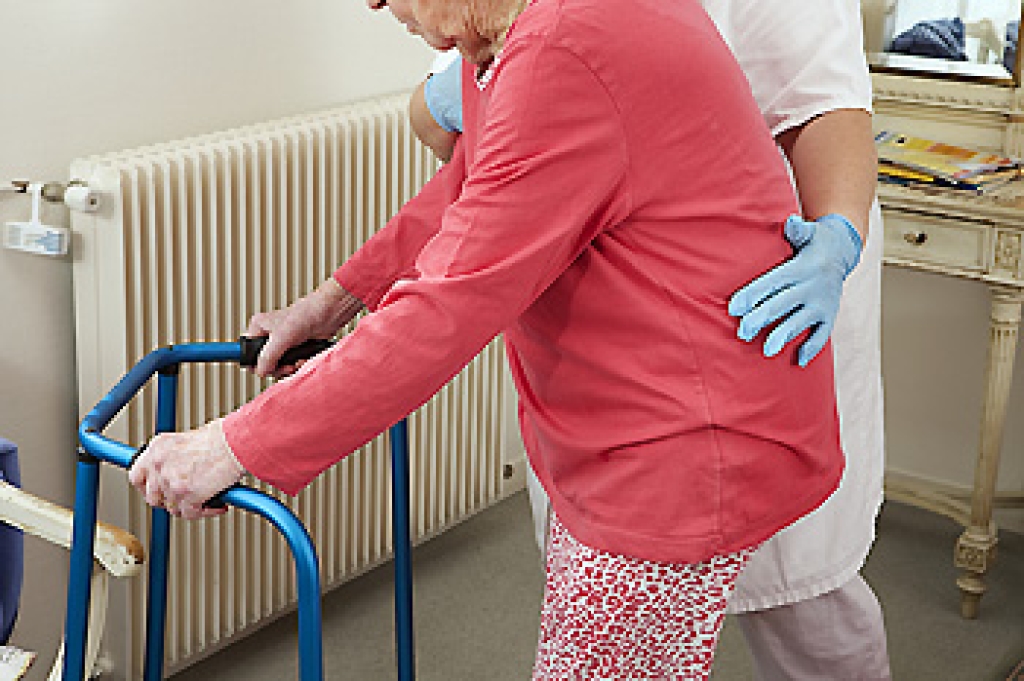
Roughly 1 in 4 older adults fall annually, which is why it is important for people over 65 to practice various safety measures to reduce risks of falling. Exercises can be done to strengthen muscles and improve balance. Pharmaceuticals should be reviewed to eliminate any medicine that causes drowsiness or dizziness. Vision should be checked annually to update eyewear as prescriptions change. Homes should be made as fall-proof as possible by installing grab bars near toilets and in showers and railings on both sides of stairs. Clutter should be eliminated from walkways, bright lighting should be installed, and small rugs should be eliminated or taped down to avoid slippage. A trip to the podiatrist is also recommended for a thorough examination to ensure that feet and ankles are healthy. A gait analysis may also be performed to see if custom orthotics may help improve balance and mobility.

Preventing falls among the elderly is very important. If you are older and have fallen or fear that you are prone to falling, consult with Jim Maxka, DPM from South Penn Foot & Ankle Associates. Our doctor will assess your condition and provide you with quality advice and care.

Every 11 seconds, an elderly American is being treated in an emergency room for a fall related injury. Falls are the leading cause of head and hip injuries for those 65 and older. Due to decreases in strength, balance, senses, and lack of awareness, elderly persons are very susceptible to falling. Thankfully, there are a number of things older persons can do to prevent falls.

How to Prevent Falls

Some effective methods that older persons can do to prevent falls include:

  • Enrolling in strength and balance exercise program to increase balance and strength
  • Periodically having your sight and hearing checked
  • Discuss any medications you have with a doctor to see if it increases the risk of falling
  • Clearing the house of falling hazards and installing devices like grab bars and railings
  • Utilizing a walker or cane
  • Wearing shoes that provide good support and cushioning
  • Talking to family members about falling and increasing awareness

Falling can be a traumatic and embarrassing experience for elderly persons; this can make them less willing to leave the house, and less willing to talk to someone about their fears of falling. Doing such things, however, will increase the likelihood of tripping or losing one’s balance. Knowing the causes of falling and how to prevent them is the best way to mitigate the risk of serious injury.  

If you have any questions, please feel free to contact our office located in Hanover, PA . We offer the newest diagnostic and treatment technologies for all your foot care needs.
Read more about Falls Prevention

Why Live with Pain and Numbness in Your Feet?

Suffering from this type of pain? You may have the foot condition known as Morton's neuroma. Morton's neuroma may develop as a result of ill-fitting footwear and existing foot deformities. We can help.

Ankle Injuries and Running

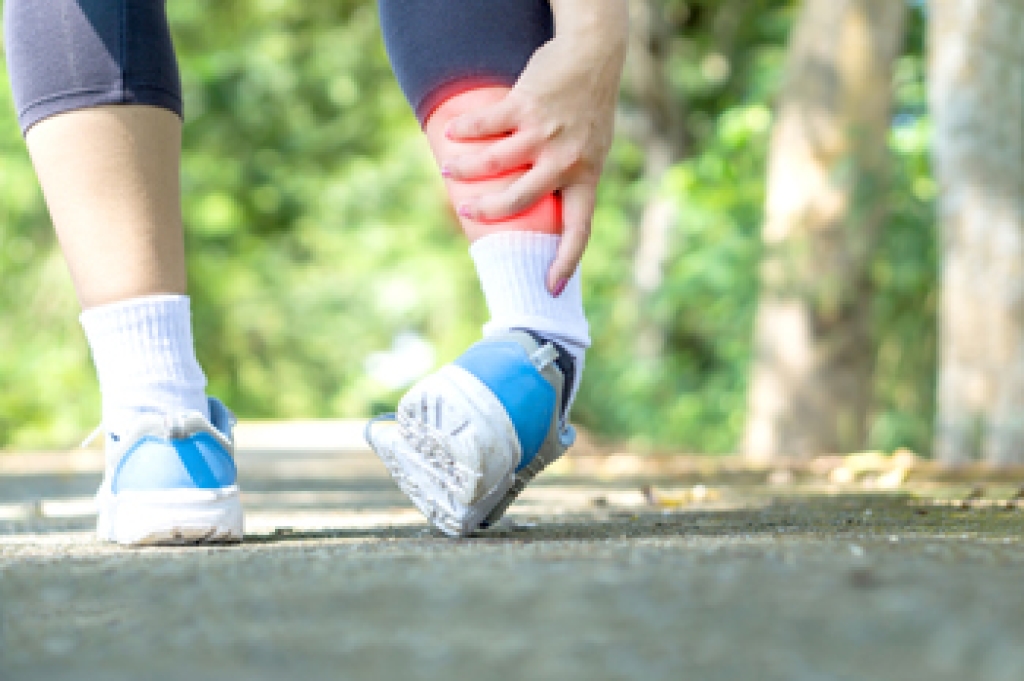
Certain physical activities may put individuals at risk of experiencing an injury. Runners in particular may be more likely to experience ankle injuries. Some of the common ankle injuries runners may experience can include sprains, Achilles tendinopathy, peroneal tendinopathy, and tibialis posterior or tibialis anterior tendinopathy. Those who have previously injured their ankles can have an increased risk of repeated injuries, especially if the affected ankle has not had a chance to fully recover. This is often due to ankle joint instability, which may also occur after an injury. Left untreated, this can cause potential issues, not only in the ankle, but also further up in the knee and hip joints. If you have sustained an ankle injury, it is strongly suggested that you consult with a podiatrist. A podiatrist can determine the underlying cause and severity of your injury and can prescribe the best treatment to get you back on your feet.

Ankle and foot injuries are common among athletes and in many sports. They can be caused by several problems and may be potentially serious. If you are feeling pain or think you were injured in a sporting event or when exercising, consult with Jim Maxka, DPM from South Penn Foot & Ankle Associates. Our doctor will assess your condition and provide you with quality foot and ankle treatment.

Common Injuries

The most common injuries that occur in sporting activities include:

  • Achilles Tendonitis
  • Achilles Tendon Rupture
  • Ankle Sprains
  • Broken Foot
  • Plantar Fasciitis
  • Stress Fractures
  • Turf Toe

Symptoms

Symptoms vary depending upon the injury and in some cases, there may be no symptoms at all. However, in most cases, some form of symptom is experienced. Pain, aching, burning, bruising, tenderness, tightness or stiffness, sensation loss, difficulty moving, and swelling are the most common symptoms.

Treatment

Just as symptoms vary depending upon the injury, so do treatment options. A common treatment method is known as the RICE method. This method involves rest, applying ice, compression and elevating the afflicted foot or ankle. If the injury appears to be more serious, surgery might be required, such as arthroscopic or reconstructive surgery. Lastly, rehabilitation or therapy might be needed to gain full functionality in the afflicted area. Any discomfort experienced by an athlete must be evaluated by a licensed, reputable medical professional.  

If you have any questions please contact our office located in Hanover, PA . We offer the newest diagnostic and treatment technologies for all your foot and ankle needs.

Read more about Sports Related Foot And Ankle Injuries

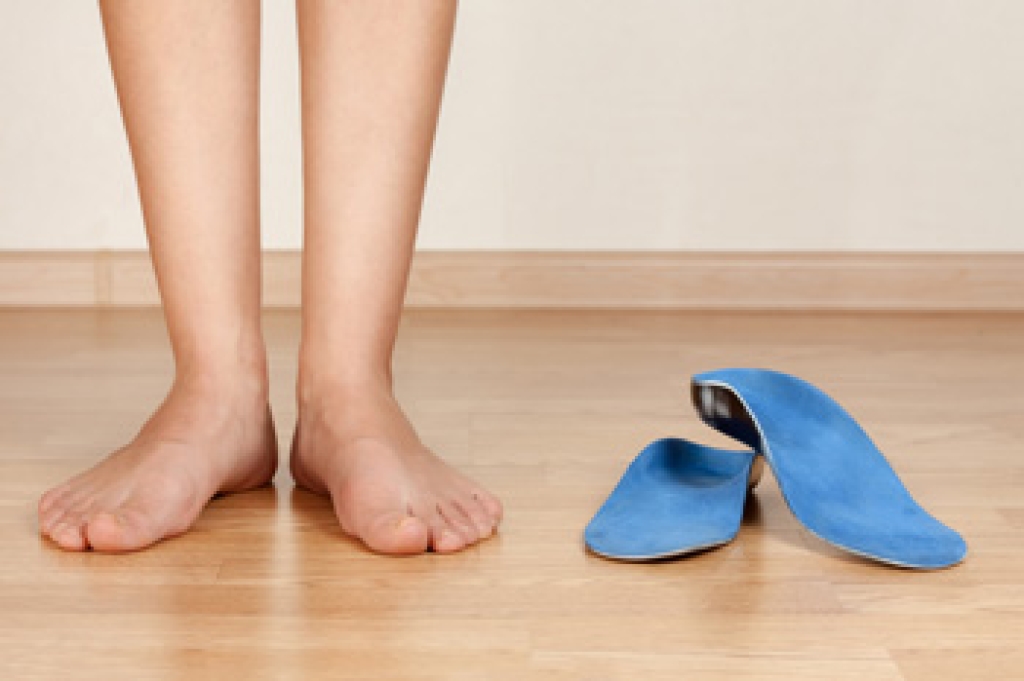
Benefits of Orthotic Inserts

Orthotics are inserts that are placed inside of your shoes. They are used to correct foot deformities, treat or prevent certain foot problems, and provide comfort and support to the foot. Orthotics can be custom-made or bought over the counter. They can cushion and support your feet as you go about your day. They may be especially helpful for people who have flat feet or high arches, which can be uncomfortable and cause aches and pains in the feet and higher up in the body. Some people’s feet roll too far inwards (overpronation) or outwards (underpronation) when they walk, which can increase the risk of certain injuries. Orthotics can correct foot alignment problems and dysfunctional gaits or walking patterns. Consult with a podiatrist to find out more about orthotics and see if they are right for you. 

If you are having discomfort in your feet and would like to try orthotics, contact Jim Maxka, DPM from South Penn Foot & Ankle Associates. Our doctor can provide the care you need to keep you pain-free and on your feet.

What Are Orthotics?

Orthotics are inserts you can place into your shoes to help with a variety of foot problems such as flat feet or foot pain. Orthotics provide relief and comfort for minor foot and heel pain but can’t correct serious biomechanical problems in your feet.

Over-the-Counter Inserts

Orthotics come in a wide variety of over-the-counter inserts that are used to treat foot pain, heel pain, and minor problems. For example, arch supports can be inserted into your shoes to help correct overarched or flat feet, while gel insoles are often used because they provide comfort and relief from foot and heel pain by alleviating pressure.

Prescription Orthotics

If over-the-counter inserts don’t work for you or if you have a more severe foot concern, it is possible to have your podiatrist prescribe custom orthotics. These high-quality inserts are designed to treat problems such as abnormal motion, plantar fasciitis, and severe forms of heel pain. They can even be used to help patients suffering from diabetes by treating foot ulcers and painful calluses and are usually molded to your feet individually, which allows them to provide full support and comfort.

If you are experiencing minor to severe foot or heel pain, it’s recommended to speak with your podiatrist about the possibilities of using orthotics. A podiatrist can determine which type of orthotic is right for you and allow you to take the first steps towards being pain-free.

If you have any questions, please feel free to contact our office located in Hanover, PA . We offer the newest diagnostic and treatment technologies for all your foot care needs.
Read more about Ankle Foot Orthotics for Athletes

Connect With Us

Back to top