Items filtered by date: May 2026
Scleroderma and Its Effects on Foot Health
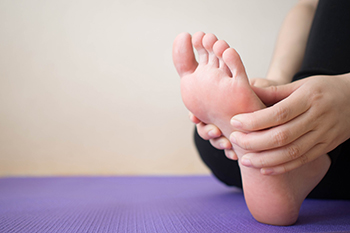
Scleroderma is a chronic autoimmune connective tissue disorder in which the body produces excess collagen, leading to thickening and tightening of the skin and underlying tissues. When this condition affects the feet it may cause stiffness, reduced flexibility, and changes in circulation that influence comfort during walking. Symptoms include tight skin, joint discomfort, swelling, and sensitivity to cold temperatures. Many individuals also experience Raynaud's phenomenon, a circulation-related condition in which the toes change color and become painful when exposed to cold or stress. Causes involve immune system dysfunction and genetic susceptibility. Risk factors may include family history and autoimmune disease patterns. A podiatrist can help manage foot symptoms and improve comfort. If foot pain or circulation concerns develop, it is suggested that you consult a podiatrist who can help you to manage this condition.
Foot Pain
Foot pain can be extremely painful and debilitating. If you have a foot pain, consult with Jim Maxka, DPM from South Penn Foot & Ankle Associates. Our doctor will assess your condition and provide you with quality foot and ankle treatment.
Causes
Foot pain is a very broad condition that could be caused by one or more ailments. The most common include:
- Bunions
- Hammertoes
- Plantar Fasciitis
- Bone Spurs
- Corns
- Tarsal Tunnel Syndrome
- Ingrown Toenails
- Arthritis (such as Gout, Rheumatoid, and Osteoarthritis)
- Flat Feet
- Injury (from stress fractures, broken toe, foot, ankle, Achilles tendon ruptures, and sprains)
- And more
Diagnosis
To figure out the cause of foot pain, podiatrists utilize several different methods. This can range from simple visual inspections and sensation tests to X-rays and MRI scans. Prior medical history, family medical history, and any recent physical traumatic events will all be taken into consideration for a proper diagnosis.
Treatment
Treatment depends upon the cause of the foot pain. Whether it is resting, staying off the foot, or having surgery; podiatrists have a number of treatment options available for foot pain.
If you have any questions, please feel free to contact our office located in Hanover, PA . We offer the newest diagnostic and treatment technologies for all your foot care needs.
Are Bunions Affecting Your Everyday Life?
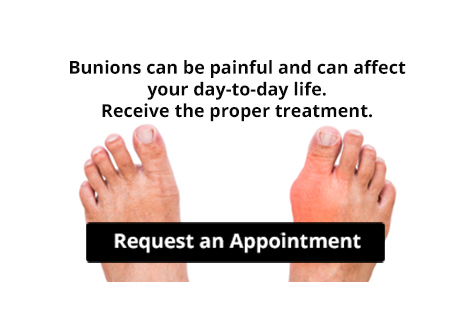
Have you noticed a bony protrusion on the side of your big toe? If so, you may have developed the foot condition known as a bunion. Don't let bunions interfere with your daily activities.
Toenails That Become Thick and Difficult to Manage

Toenail fungus is one of the most common reasons for thickened toenails. The infection can cause the nail to become discolored, brittle, and enlarged, often appearing yellow, white, or brown. As the nail thickens, it may become harder to trim and can press against the surrounding skin, leading to discomfort. Other causes of thick toenails include repeated trauma from tight shoes, aging, or underlying skin conditions that affect nail growth. In some cases, the nail may lift from the nail bed or develop a crumbly texture. A podiatrist can evaluate the nail to determine whether the thickening is due to fungal infection or another cause. Treatment options include antifungal medications, professional trimming or thinning of the nail, and guidance on proper foot hygiene and footwear. Early care helps improve comfort and prevent the condition from worsening. If you have thick toenails or signs of a fungal infection, it is suggested that you make an appointment with a podiatrist.
For more information about treatment, contact Jim Maxka, DPM of South Penn Foot & Ankle Associates. Our doctor can provide the care you need to keep you pain-free and on your feet.
Toenail Fungus Treatment
Toenail fungus is a condition that affects many people and can be especially hard to get rid of. Fortunately, there are several methods to go about treating and avoiding it.
Antifungals & Deterrence
Oral antifungal medicine has been shown to be effective in many cases. It is important to consult with a podiatrist to determine the proper regiment for you, or potentially explore other options.
Applying foot powder on the feet and shoes helps keep the feet free of moisture and sweat.
Sandals or open toed shoes – Wearing these will allow air movement and help keep feet dry. They also expose your feet to light, which fungus cannot tolerate. Socks with moisture wicking material also help as well.
If you have any questions please contact our office located in Hanover, PA . We offer the newest diagnostic and treatment technologies for all your foot and ankle needs.
 Like Us
 Follow Us
 Review Us